More Than Just a Pretty Face: A New Garage Door Is a Top ROI Project
Whether you’re a new homeowner or are refreshing the look of your existing home, buying a garage door is an exciting opportunity for you to breathe new life into your home’s exterior.
Replacing your garage door is also one of the smartest moves you can make to increase the value of your home with a 268% return at resale, according to Zonda’s 2025 Cost vs. Value report (www.costvsvalue.com).

How to Choose Your New Garage Door


Should I Choose An Insulated Garage Door?
Insulation is one of the most important features to consider when shopping for residential garage doors, especially if comfort and energy efficiency are top priorities. Upgrading to an insulated garage door can help lower utility costs by reducing heat loss in winter and minimizing heat gain in summer. While savings will vary depending on climate and garage usage, insulated doors help create a barrier that slows down temperature transfer. This means your heating and cooling systems don’t have to work as hard to keep your home comfortable, which can lead to noticeable savings on energy bills over time.
Beyond energy savings, an insulated door keeps the garage—and often the rooms above or next to it—warmer in the winter and cooler in the summer. They also provide excellent noise reduction, blocking out street sounds and making daily life a bit quieter.
If you live in a region with extreme temperatures, insulation can make a huge difference. In milder climates, insulation may be more of an upgrade than a necessity, but it still improves comfort and noise control. If your garage is attached to your home, insulation is almost always recommended for both efficiency and resale value.
Long-term, opting for an insulated garage door can add to your home’s value and appeal to future buyers. Features like Intellicore® insulation and high R-values are attractive selling points, making your property stand out in competitive real estate markets.
Should I Install My Garage Door or Hire A Professional?
When it comes to garage door installation, homeowners often weigh the choice between DIY and hiring professionals. While DIY kits might appeal to experienced handymen, garage door experts recommend professional installation for several reasons. Professionals have the training and tools to make sure every step— from balancing heavy springs to precise track alignment—meets the manufacturer’s standards. This helps guarantee smooth operation and maximizes the lifespan of your residential garage doors.
Choosing professional installation can also have major warranty implications. Many garage door manufacturers, including Clopay, require installation by a certified dealer for full warranty coverage. Attempting a DIY install may void the warranty, leaving you without protection if something goes wrong down the line.
Another factor to consider is the opener. Opener installation is sometimes included with a new garage door, but often it’s a separate service. Ask your dealer whether opener installation is bundled or available as an add-on, so you know what to expect before scheduling your project.
Other Garage Door Considerations
Explore our expert guides to find the right garage door to complement your style
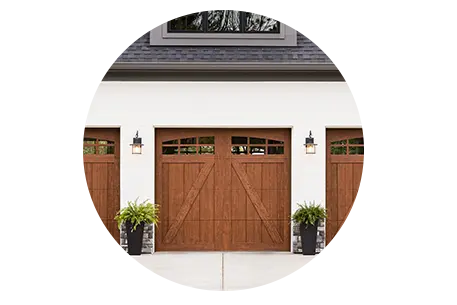
Size
While standard sizes work for most residential garage doors, there are times when custom sizing is the best—or only—solution. Homes with unique architectural features, older garages, or oversized vehicles often require doors that fall outside typical measurements. Custom garage door sizes ensure a perfect fit and allow for more flexibility in design and materials.
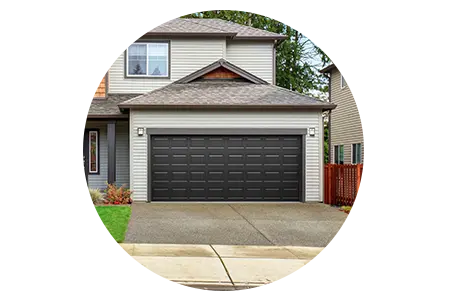
Wind
Wind resistance is an important factor in garage door selection, especially in areas prone to severe weather. The U.S. is divided into geographic wind zones, with coastal regions, the Southeast, and parts of the Midwest facing higher risks from hurricanes and strong storms. Homes in these zones often require garage doors that meet specific local building codes for wind resistance, such as Clopay’s WindCode® options.
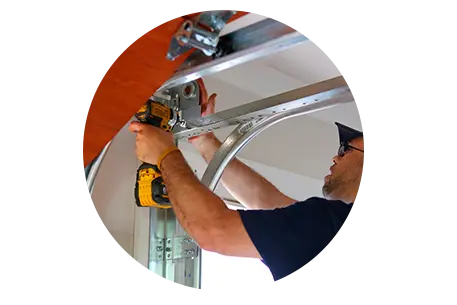
Tracks
Why do tracks matter? The right track system ensures your garage door opens and closes smoothly, reduces wear on moving parts, and extends the life of both the door and opener. Using the wrong track can impact performance and even void warranties. Poorly maintained tracks can lead to noisy operation, uneven movement, or even door failure.
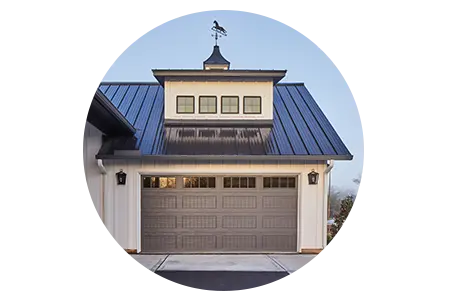
Windows
Windows can be a standout feature in residential garage doors by adding both style and practical benefits. One of the biggest decisions is balancing privacy with natural light. Clopay offers a range of glass options—clear glass lets in the most daylight, while frosted, tinted, or seeded glass delivers light with privacy. For homes with garages facing the street or neighboring properties, obscured glass is a smart way to brighten the space while keeping the interior hidden.

Maintenance & Care
Proper maintenance is essential for getting the most out of your residential garage doors and protecting your investment over time. Regular care not only extends the life of your garage door but also helps prevent costly repairs down the line. A good garage door buying guide always includes practical advice for ongoing care, so you know what to expect after installation.
Seasonal/Climate Considerations
Seasonal and climate considerations are key. In colder climates, check your garage door and hardware for signs of rust or freezing. Lubricate hinges and rollers in late fall to keep things running smoothly through winter. In humid or coastal regions, inspect for moisture damage and clean away salt buildup to prevent corrosion. For all climates, a simple routine of washing the door with mild soap and water keeps finishes looking fresh and prevents grime from accumulating.
Material Care
Maintenance needs also vary by garage door material. Steel doors require little more than occasional cleaning and a quick touch-up for scratches to prevent rust. Wood doors demand more attention: regular sealing or staining is necessary to protect against moisture and sun. Aluminum and glass doors are low maintenance, needing only periodic cleaning to keep their shine.
Garage Door Openers & Hardware
For many homeowners, the garage door opener is an afterthought, but choosing the right system can make all the difference. There are several garage door opener types to consider. Chain-drive openers are reliable and budget-friendly, making them a popular choice for detached garages or spaces where noise isn’t a major concern. Belt-drive openers operate more quietly, which is perfect for garages attached to living spaces. For those garages with high or irregular ceilings, wall-mounted (or jackshaft) openers save ceiling space.
Smart Garage Door Openers
Today’s garage door market also offers a range of smart, connected opener options. These systems let you monitor and control your door from a smartphone, integrate with home security systems, and even provide alerts if your garage is left open.
Safety Features
Safety is another key consideration. Modern garage doors come with features like auto-reverse—which causes the door to stop and reverse if it detects an object in its path—and motion sensors that prevent accidental injury or damage.
Backup Power Options
Backup power options are an increasingly important feature, particularly in areas prone to power outages. Battery backup systems allow your garage door to open and close even when the electricity is out, so you’re never left stranded or locked out.


Where Can I Find My Garage Door?
Clopay garage doors are available through our network of authorized Clopay garage door dealers, as well as your local Home Depot store. Find locations near you using our dealer locator.