WindCode® Garage Doors for for Texas: Protecting Your Home from Hurricanes and Tornadoes
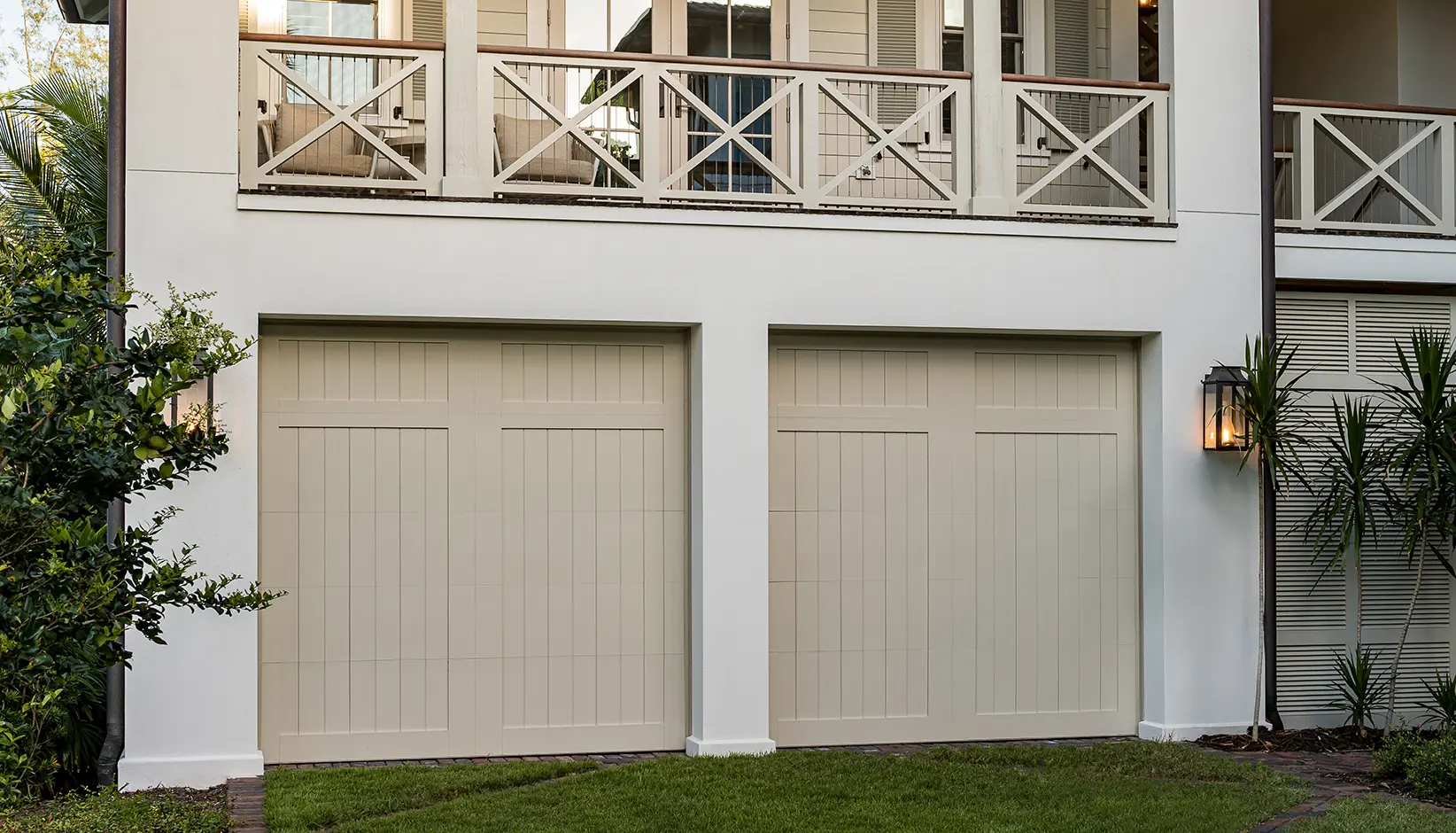
Texas is one of the few places in the world where homeowners face two distinct and serious wind threats depending on where they live. Along the Gulf Coast, hurricane season runs from June through November, bringing sustained winds and storm surge that can devastate unprepared structures. Inland, particularly across the wide area of the state that cuts through Tornado Alley, violent twisters can touch down with little warning and generate winds that exceed anything a standard garage door is built to handle.
In both cases, the garage door is one of the most exposed and vulnerable parts of the home. It's large, it faces outward, and if it fails under wind pressure, the structural consequences for the rest of the house can be severe. That’s why WindCode® garage doors Texas homeowners choose are built and tested to meet strict wind load requirements.
Whether you’re on the hunt for a hurricane resistant garage door that Texas law may require, or a tornado resistant garage door that Texas families hope they’ll never need, building codes are designed to help protect what matters most.
What Is a WindCode® Rating and Why Does It Matter Here?
A wind code is a designation that indicates a garage door has been tested and certified to withstand a specific wind pressure load, measured in pounds per square foot. The code itself ties directly to real-world wind speeds and serves as a benchmark for builders, inspectors, and homeowners who need to match a door’s performance to the wind threats it’s likely to face.
When it comes to WindCode® garage doors for Texas homeowners, there’s not one standard that applies to the entire state. Requirements vary depending on where you live. Along the Gulf Coast, the Texas Department of Insurance (TDI) sets the bar for hurricane resistant garage doors, with strict product evaluation requirements for properties in the 14 coastal counties most vulnerable to hurricanes. Inland, the rules shift and codes align with the International Residential Code (IRC) and local amendments, with wind speed maps for each specific location.
For homeowners, the practical starting point is figuring out which county and wind zone you’re in. Your local building department can provide the design wind speed for your address, which then determines the minimum wind-resistant garage door Texas regulations require. A qualified installer, familiar with both statewide and local requirements, can help you navigate the process and make sure your WindCode® garage door is up to the challenge.
WindCode® Requirements for Coastal Texas Garage Doors
The 14 counties recognized as the Texas Windstorm Insurance Association (TWIA) catastrophe area—a stretch of Gulf Coast counties running from the Louisiana border all the way down to Mexico—face the toughest garage door standards in the state. These regions are in the direct line of fire for Gulf hurricanes, so the codes around hurricane resistant garage door Texas homes need are especially strict here.
For a garage door to qualify for TDI windstorm insurance certification in these counties, it must carry TDI Product Evaluation approval. This is an independent certification that the door has been tested to the wind pressure levels specified for that wind zone. TDI divides the coastal area into wind zones with design speeds ranging from 120 mph up to 150 mph or higher in the most exposed locations, such as areas near Corpus Christi, Galveston, and the Rio Grande Valley.
The TDI certification process requires documentation of laboratory pressure testing results, and the certification applies to the complete door system including panels, hardware, tracks, and installation method. That's why proper installation by a TDI-registered installer is a prerequisite for certification.
TDI has upgraded the Windstorm System to include TDI-developed and third-party product evaluation reports. TDI posts website links to third-party evaluation reports from the following sources:
- Product evaluation reports developed by and listed with product certification agencies that are accredited as complying with ISO/IEC Standard 17025 by the International Accreditation Service (IAS) or by any other accreditation body recognized by the International Laboratory Accreditation Cooperation (ILAC) Mutual Recognition Arrangement (MRA).
- Notice of Acceptance (NOA) reports developed by and listed with the Miami-Dade County Product Control Section.
- Product Approvals listed with the Florida Department of Business and Professional Regulation (DBPR).
For homeowners in these coastal counties, TDI certification is effectively non-negotiable. Without it, the door won't qualify for windstorm insurance coverage, which can affect both your coverage options and your ability to sell the home.
WindCode® Requirements for Inland Texas Garage Doors
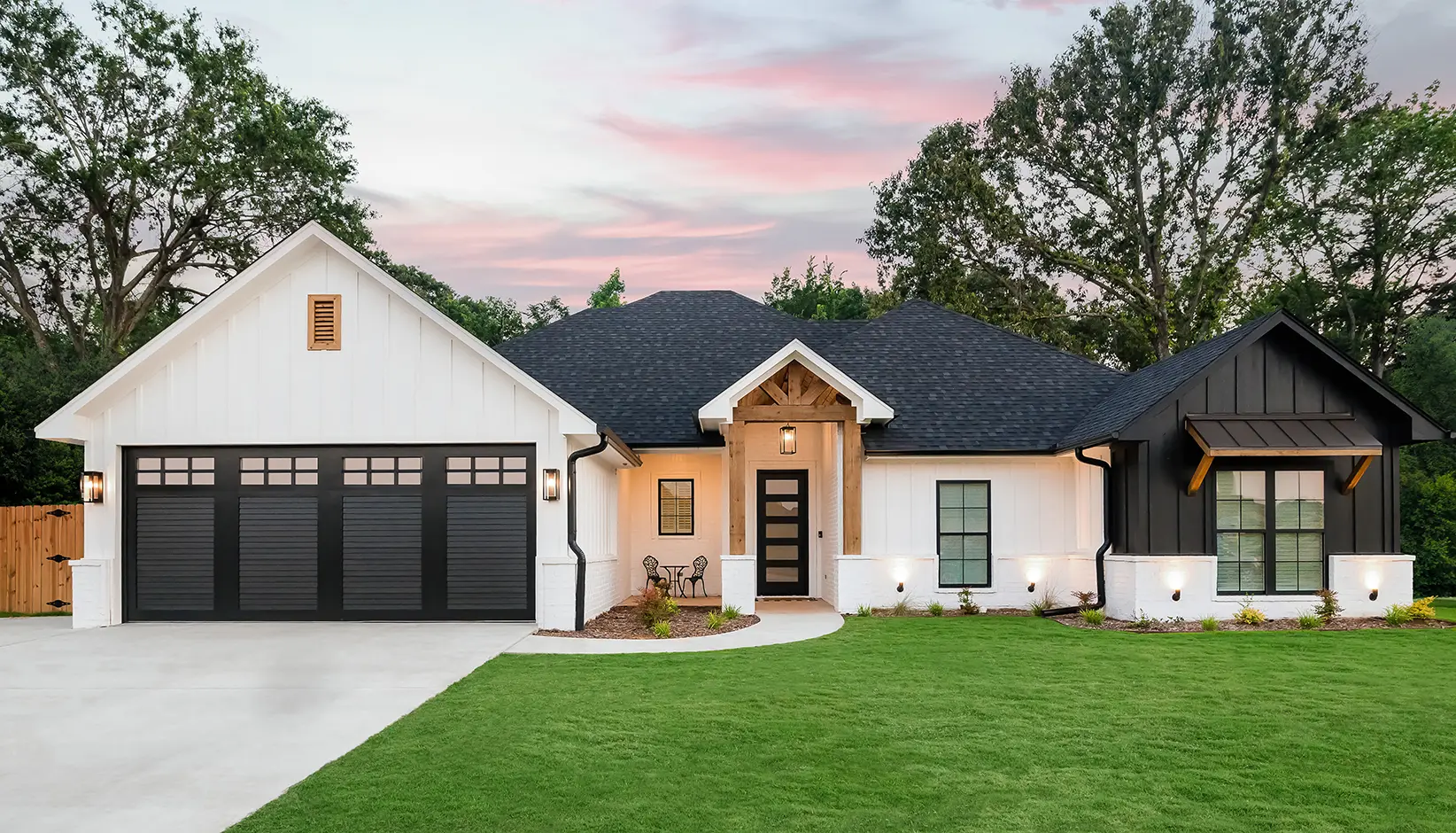
Canyon Ridge® Louver in Design 52 with SQ23 windows in black
The tornado threat across inland Texas is both wide-ranging and serious. No state records more tornadoes each year than Texas, and the central and northern regions—the Dallas-Fort Worth Metroplex, the Panhandle, and those sweeping stretches of the Hill Country—see some of the most frequent and severe events.
Tornado wind resistance for garage doors is typically framed around the Enhanced Fujita (EF) Scale. Ordinary residential garage doors offer little to no real protection against an EF2 or stronger tornado, which can bring winds over 135 mph. WindCode® garage doors Texas builders install for inland properties are specifically engineered to stay in their tracks and maintain their structure, even as serious tornado winds hit.
Inland Texas building codes use wind speed maps derived from ASCE 7 (the American Society of Civil Engineers' standard for wind load design) to establish minimum requirements. Many inland areas require doors rated for 90 to 115 mph wind speeds, with higher requirements in specific regions. Local municipalities sometimes adopt amendments that exceed state minimums, so checking with your local building department is the reliable way to confirm what applies to your specific address.
Unlike coastal counties, inland areas don't have a TDI certification requirement, but that doesn't mean certification is irrelevant. A door that carries TDI or Miami-Dade approval has been tested to a high and independently verified standard which can be a meaningful assurance even where it isn't technically required.
Choosing the Right Wind-Rated Garage Door for Your Texas Home
The right door for a home in Galveston is not necessarily the right door for a home in Abilene, and vice versa. Texas’s sheer size and weather variety means one size doesn’t fit all.
For coastal homeowners, the priority is a TDI-approved door rated for the wind speed designated for your specific county and zone. In areas with significant airborne debris risk during storms, look for doors with impact-resistant components like laminated glass windows that can stand up to shattering forces. How close you are to the water matters, too: homes within a few miles of the Gulf can face higher wind speed requirements than others in the same county.
For inland homeowners, the focus is matching the door's wind load rating to local code requirements and the realistic tornado risk for your area. Door size is a factor because wider and taller doors have more surface area for wind pressure to act on. This means they may require additional reinforcement to achieve the same effective rating as a standard-sized door. Single-car doors generally require less reinforcement than two-car or three-car doors to achieve equivalent wind resistance.
No matter where you are, the installation is just as important as the door itself. Even the best tornado resistant garage door Texas offers won’t live up to its rating if it’s installed with poorly anchored tracks, loose hardware, or a frame that’s not reinforced to handle the wind loads. Working with a certified installer who knows WindCode® is every bit as important as picking the right door for your region.
Features of Wind-Rated Garage Doors
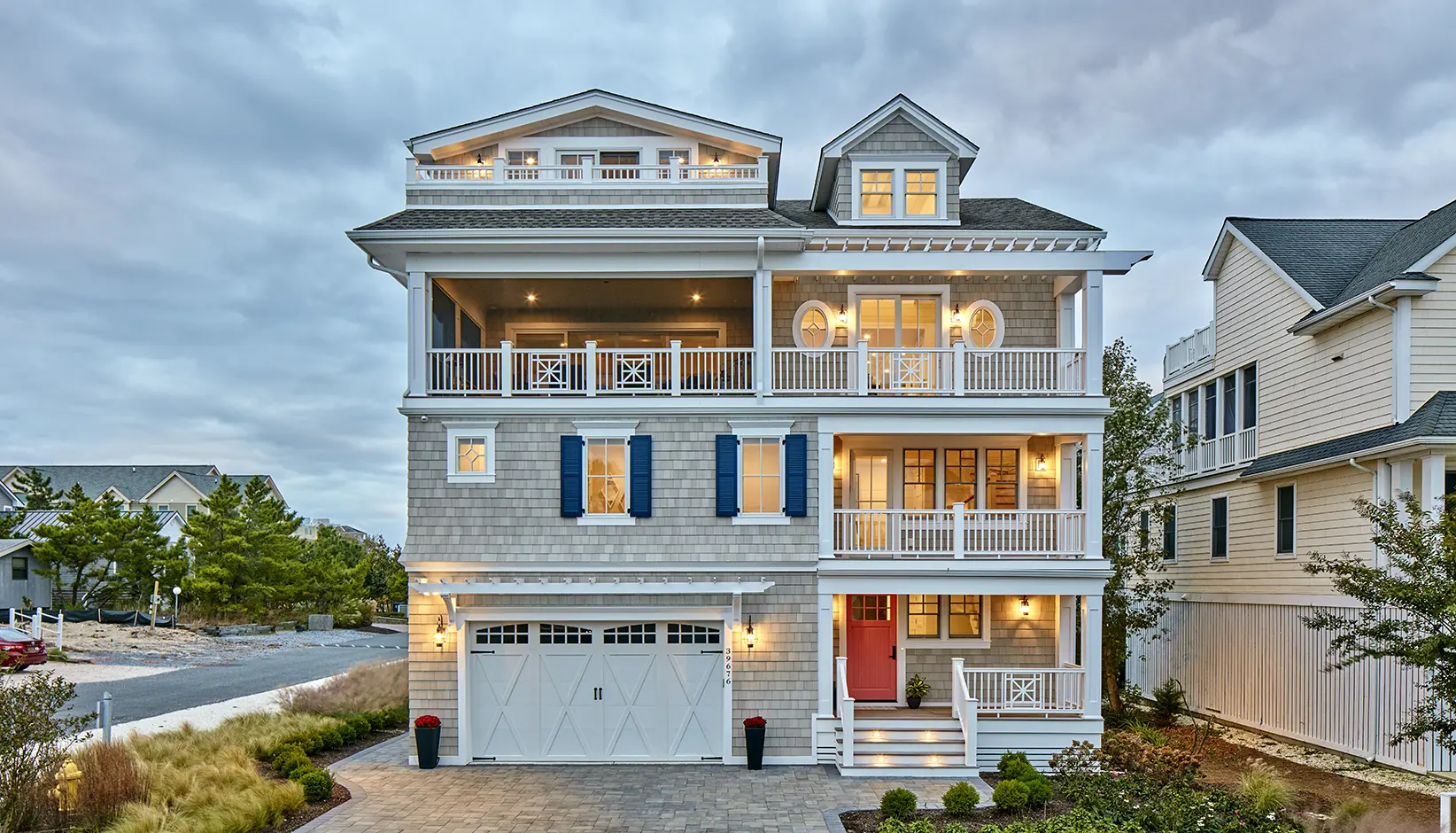
Coachman® garage door in Design 21 with ARCH4 windows in White
Wind-rated doors are built differently from standard residential doors, and the differences are visible in the construction details. Heavier gauge steel panels resist flexing under pressure, while reinforced end stiles and intermediate stiles help distribute wind load evenly across the door’s width. Stronger hinges and bracket assemblies are designed to keep the door securely in its tracks, even when powerful lateral forces hit.
For coastal homes, impact-resistant glazing in window sections prevents glass from becoming a hazard during storms. Secure locking systems ensure the door can't be pushed inward at the bottom or sides by wind pressure that enters gaps. Proper anchoring — connecting the door assembly to the structural framing of the garage opening — ensures that wind loads are transferred to the building structure rather than concentrated on the door hardware alone.
The Benefits of WindCode® Protection in Texas
The case for a wind-rated garage door in Texas is straightforward. The door protects against structural failure that can escalate quickly. A compromised garage door lets wind pressurize the interior of the home, which can result in roof uplift and wall failure that goes far beyond the door itself. There's also the value of not having to replace or repair a failed door after a major storm, along with the disruption and expense that come with it.
Beyond structural protection, wind-rated doors offer practical financial benefits. In coastal counties, TDI certification is typically required to obtain windstorm insurance coverage. In both coastal and inland areas, some insurance providers offer premium discounts for homes with certified wind-resistant features (though the specific discount, if any, varies by carrier and policy, so it's worth confirming with your insurer).
Find the Right Door for Your Location
Whether you're on the Gulf Coast or deep in the Texas interior, the right wind-rated garage door starts with knowing your local wind speed requirements and working with a dealer and installer who understands them.
Contact us or use our dealer locator to find a Clopay authorized dealer near you. A local professional can confirm the WindCode® requirements for your specific address, help you select a door that meets or exceeds those requirements, and install it so it’s ready when you need it most.
Features of Wind-Rated Garage Doors
- Texas Department of Insurance Windstorm Inspection Program: tdi.texas.gov
- Texas Windstorm Insurance Association: twia.org
- Texas Department of Insurance Product Evaluation List: https://appscenter.tdi.texas.gov/windstorm/p/publicProductEvaluations
- International Code Council (ICC) – Texas Adoptions: iccsafe.org