Garage door safety becomes especially important for homeowners living in places where storms and strong winds happen often. When high winds hit, a standard door can buckle under pressure, putting the whole house at risk. That’s why Clopay developed WindCode®, a rating system for windproof or wind-resistant garage doors designed to withstand strong winds and keep your property safer. These doors are tested and built with reinforced materials to meet or exceed local building codes for high-wind areas. In this guide, we’ll break down where and when a high-wind garage door is needed, helping you decide if upgrading to a WindCode® door is the right move for your home and your region’s safety requirements.
Understanding Garage Door Safety and Wind Loads
In high-wind regions, garage door safety isn’t just about the door itself, it’s about the entire structure of your home. High winds create powerful pressure differences that can push and pull at the garage door. If the door isn’t strong enough, it can bend, buckle, or even get pulled out of its tracks. Once that happens, wind can rush into the garage, increasing pressure inside and putting stress on the roof and walls. This chain reaction can lead to roof damage, broken windows, and even structural failure. Water intrusion and flying debris can also follow, causing costly repairs and potential injury.
That’s why understanding wind loads matters. Wind load is the force exerted by wind on a structure. These loads are measured in pounds per square foot (psf) and are determined by factors like wind speed, door size, and building orientation. Local building codes often dictate the minimum wind load a wind resistant garage door must withstand, especially in coastal and tornado-prone areas.
Regional Breakdown: Assessing Your Wind Risk and Need for a Wind Proof Garage Door
High-Risk Regions
Southeast (Florida, Georgia, South Carolina, North Carolina)
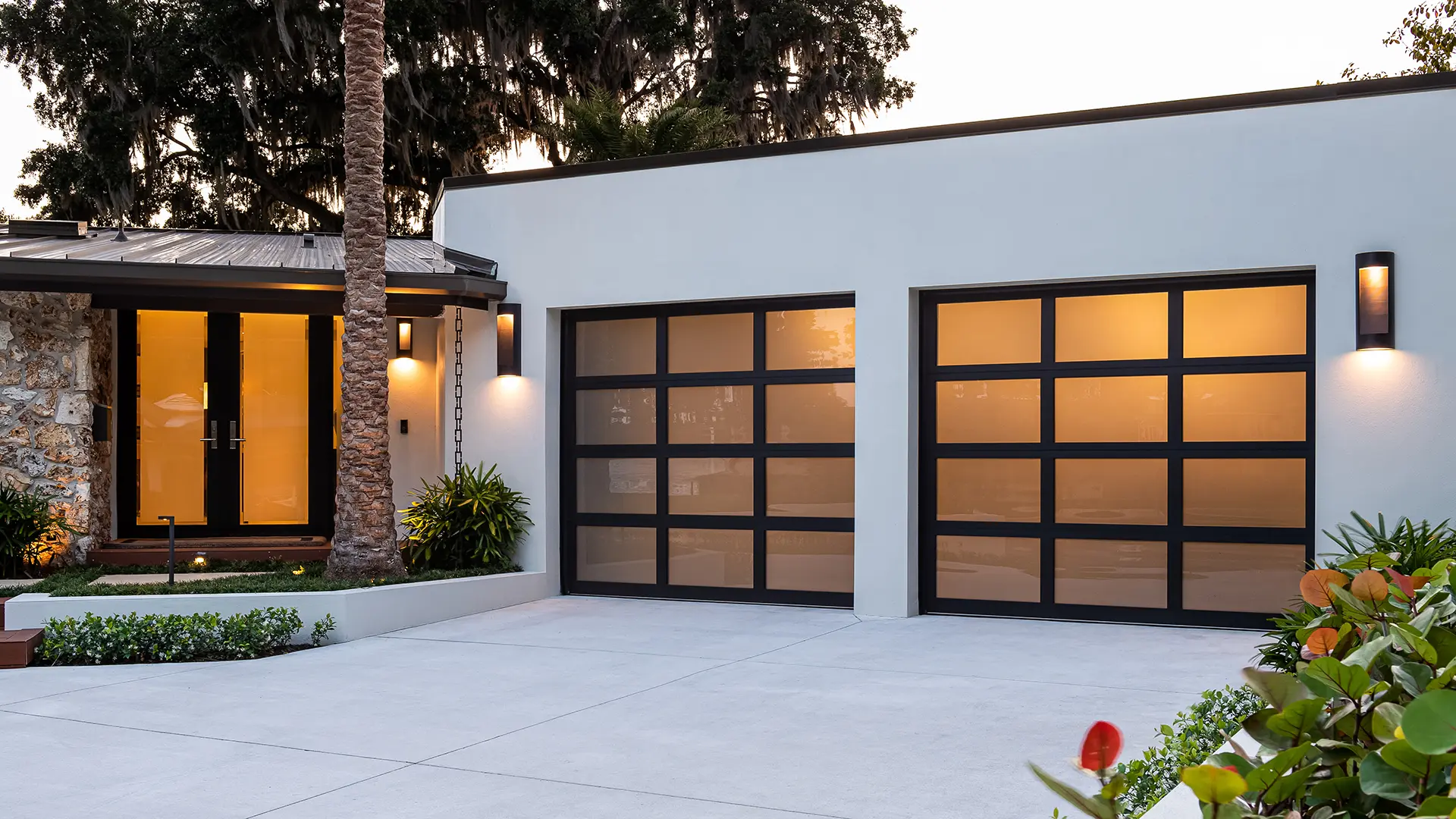
Avante® garage door with midnight gray glass
The Southeast is no stranger to intense storms. Hurricanes and tropical systems can hit the region hard, bringing high winds and storm surges. For homeowners here, garage door safety is standard practice. Local building codes, especially in Florida and coastal zones, set strict requirements for wind proof garage door and wind resistant garage door installations. These codes often specify minimum wind loads and demand reinforced construction to stand up to hurricane-force winds. The risks are real: a failed garage door can let wind and water into the home, leading to extensive damage or even structural collapse. In these states, a garage door that can withstand high winds, like a WindCode® rated door, is not only highly recommended but often required by code.
Gulf Coast (Texas, Louisiana, Mississippi, Alabama)
The Gulf Coast faces similar threats, with hurricanes and tropical storms posing a regular danger each season. While WindCode® requirements can vary by city or county, garage door safety is always a priority in coastal communities. Local codes may not be quite as strict as Florida’s, but the need for a wind resistant garage door is clear. Hurricane-force winds can cause rapid pressure changes, and the garage door is often the most vulnerable point.
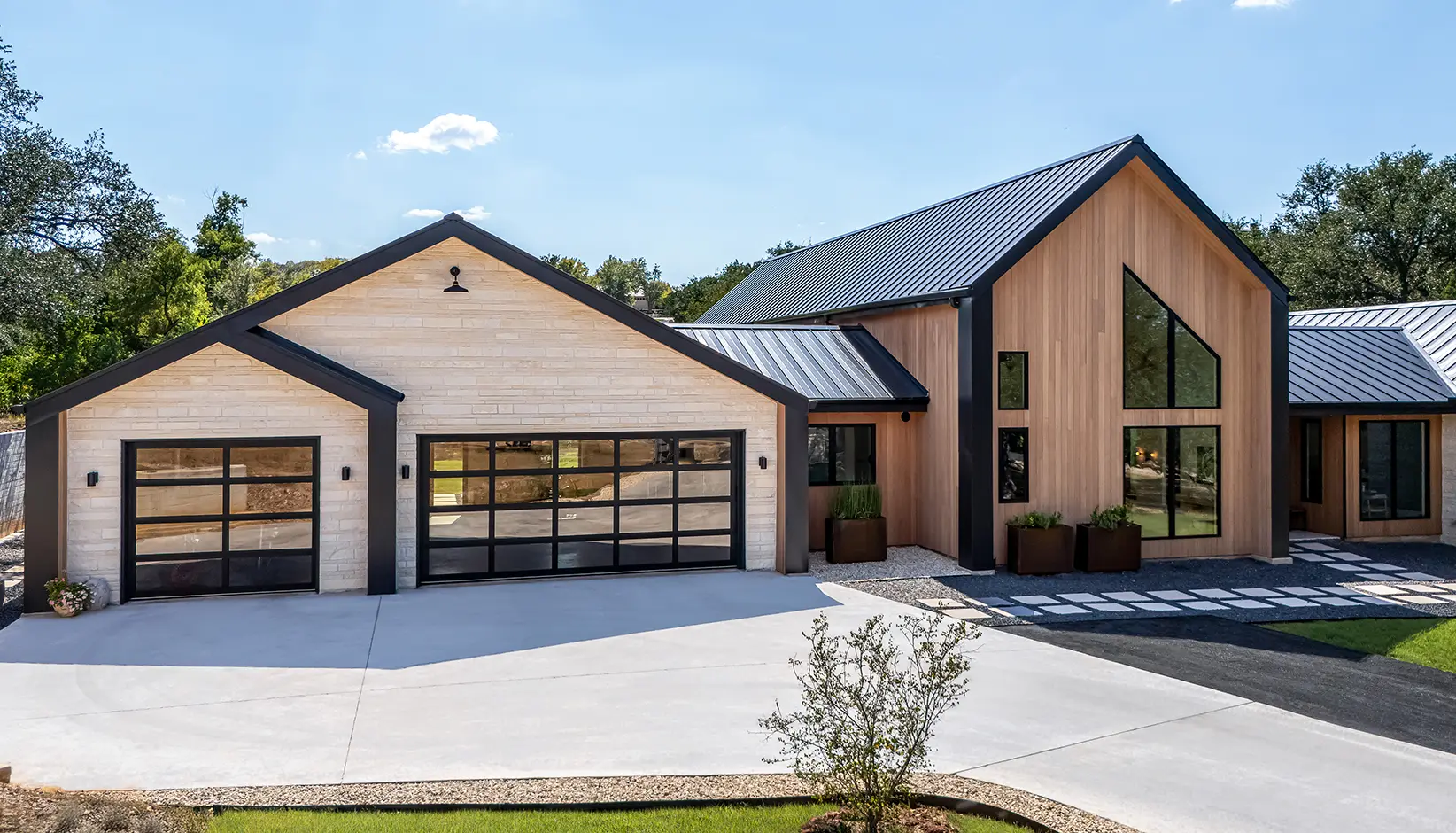
Avante garage door
Homeowners in these states are strongly encouraged to install a wind proof garage door, especially if you live near the coastline where wind speeds can reach extreme levels. A garage door that meets or exceeds code recommendations can protect against sudden failure, reducing the risk of roof lift-off and water intrusion. Even if not explicitly required, upgrading to a WindCode® door is a wise move for long-term safety.
Tornado Alley (Various States)
Tornado Alley stretches across parts of Texas, Oklahoma, Kansas, Nebraska, and several neighboring states, where severe thunderstorms and tornadoes are a seasonal threat. These storms can produce some of the highest wind speeds on the continent, making garage door safety a major concern. While local building codes may vary, some communities have adopted enhanced standards for high-wind garage door installations in tornado-prone areas. The specific risk here comes from both tornadoes and powerful straight-line winds, either of which can rip a standard door from its frame. Choosing a WindCode® garage door with reinforced panels and hardware can make a significant difference.
Moderate-Risk Regions
Northeast (Various States)
The Northeast faces a unique mix of weather threats—nor’easters, coastal storms, and even the occasional hurricane. These storms can bring heavy rain, snow, coastal flooding, and strong winds that can challenge garage door safety. Building codes in this region generally have less stringent WindCode® requirements than those in the Southeast or Gulf Coast, but risk shouldn’t be ignored. Coastal areas in particular experience the brunt of nor’easters, where high winds and water can put pressure on the garage door. While it may not always be required by code, choosing a wind proof garage door helps prevent wind and water from entering the home.
Midwest (Various States)
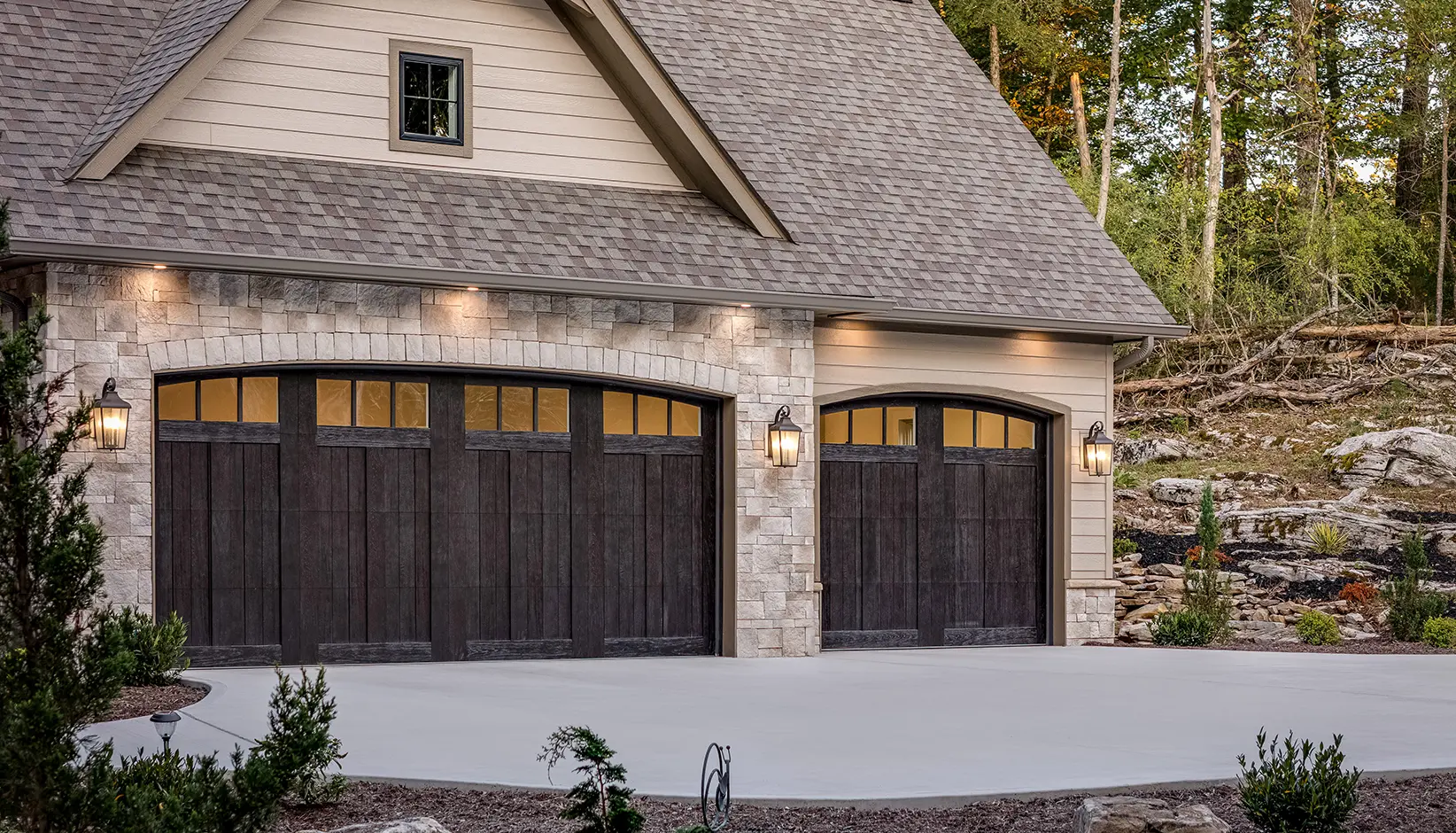
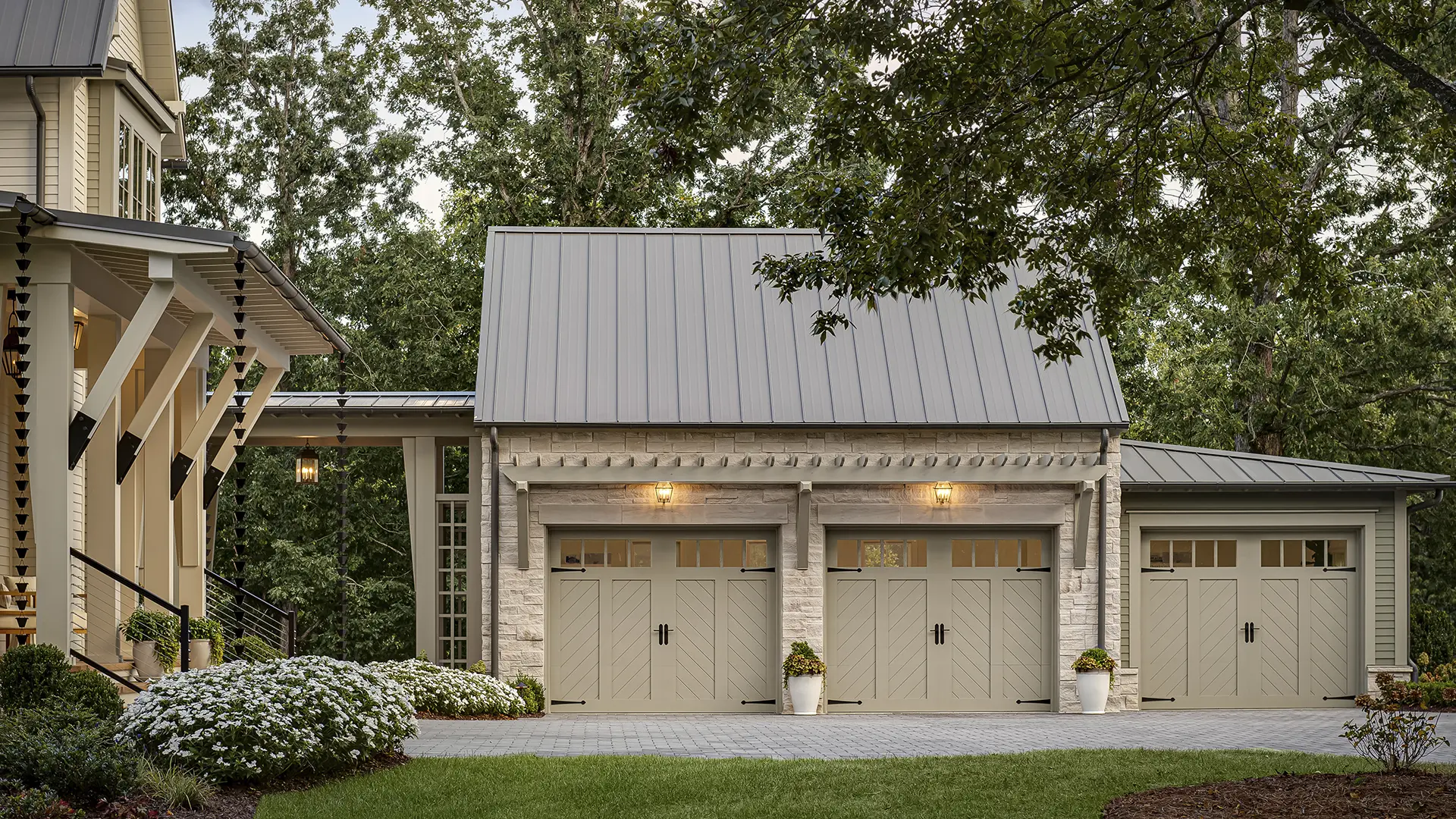
Canyon Ridge® 5-Layer garage door Design 11 with ARCH13 windows in Espresso finish
In the Midwest, severe thunderstorms are common, bringing high winds, hail, and sometimes tornadoes. The local building codes for high-wind garage door installations can vary widely from state to state and even city to city. While not every area will require a wind resistant garage door by law, the threat from severe weather is always present. Strong winds can test the limits of a standard door, and in tornado-prone regions, the risk goes even higher. A WindCode® garage door is a good idea for homeowners who want to minimize the risk of damage from fast-moving storms.
Pacific Northwest (Washington, Oregon, Northern California)
The Pacific Northwest is known for its powerful winter storms, bringing strong winds and heavy rain, particularly to coastal areas. While hurricanes are rare, winter winds can reach damaging speeds, especially in exposed locations. Building codes in this region often call for moderate wind load requirements, especially for homes near the coast. The specific risk here comes from high winds and the potential for falling trees or flying debris. For homeowners in vulnerable spots, a wind resistant garage door can help keep the elements out. Installing a high-wind garage door in these areas is recommended, especially for those living close to the shoreline or in locations known for frequent windstorms, to bolster garage door safety year-round.
Lower-Risk Regions
Mountain West (Various States)
The Mountain West is defined by its rugged landscape and variable weather. While most areas enjoy moderate winds, certain mountain passes and valleys can experience occasional high gusts, especially during storms. For most homeowners in this region, garage door safety concerns related to wind are minimal, and local building codes reflect this with fewer requirements for wind proof garage door installations. That said, if you live in a particularly exposed or high-altitude area where winds are stronger, it may be worth considering a WindCode® door. While wildfires are a more prominent risk here, reinforcing your garage door can add an extra layer of protection if high winds are common in your specific location.
California (Excluding Northern California)
California’s climate is generally mild, with the exception of the famous Santa Ana winds which can bring strong, dry gusts in Southern California. Local building codes typically require only moderate wind load ratings for high-wind garage door installations. The biggest hazards in this region are wildfires and earthquakes rather than wind events. For most homeowners, a standard garage door meets code. Still, if you’re in a community where Santa Ana winds are a seasonal concern or where wildfire risk is high, upgrading to a WindCode® rated garage door can offer additional protection. In these areas, it’s more about being prepared for the rare but intense weather event than meeting a specific code requirement.
Factors Beyond Location Affecting Garage Door Safety
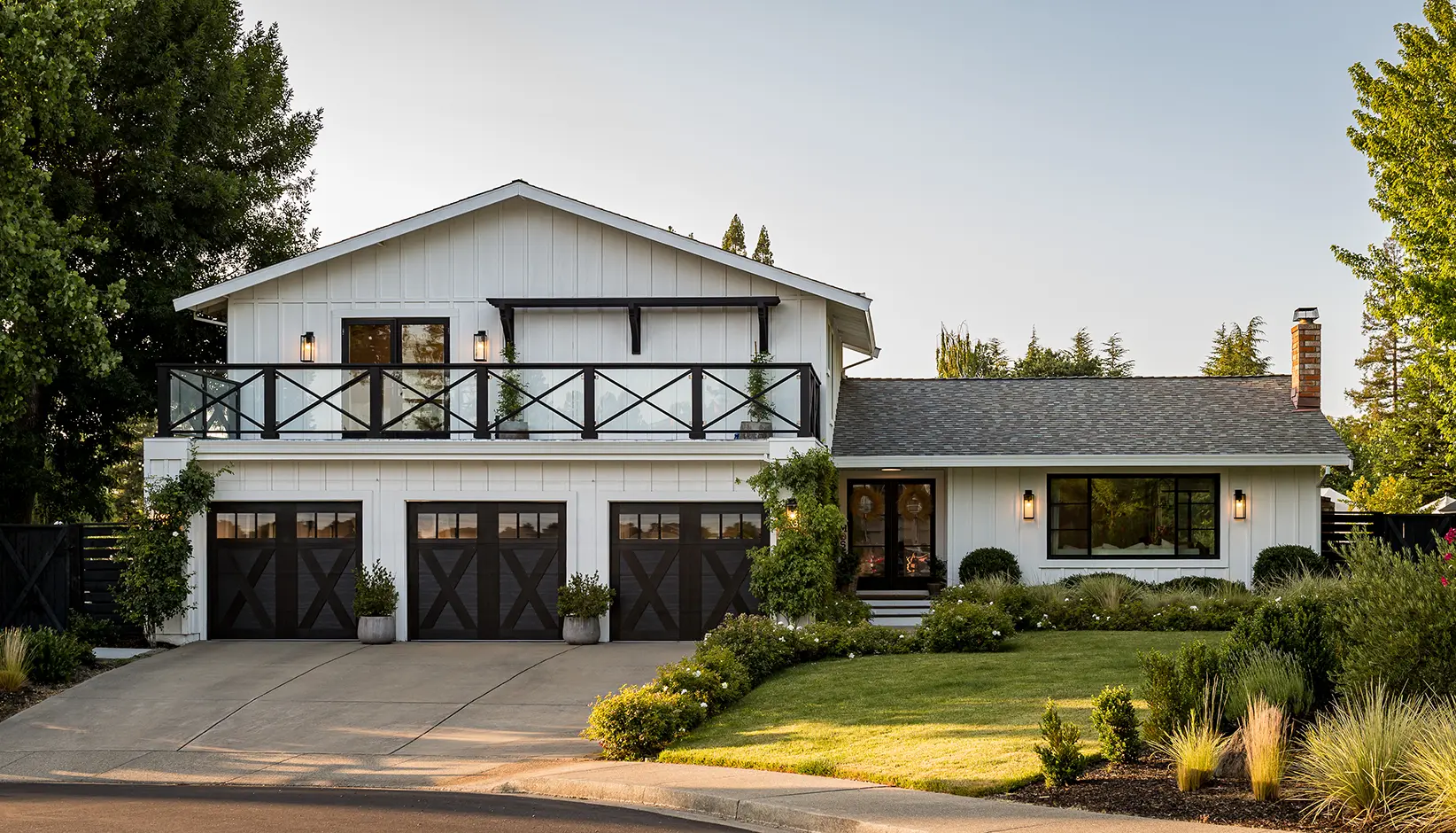
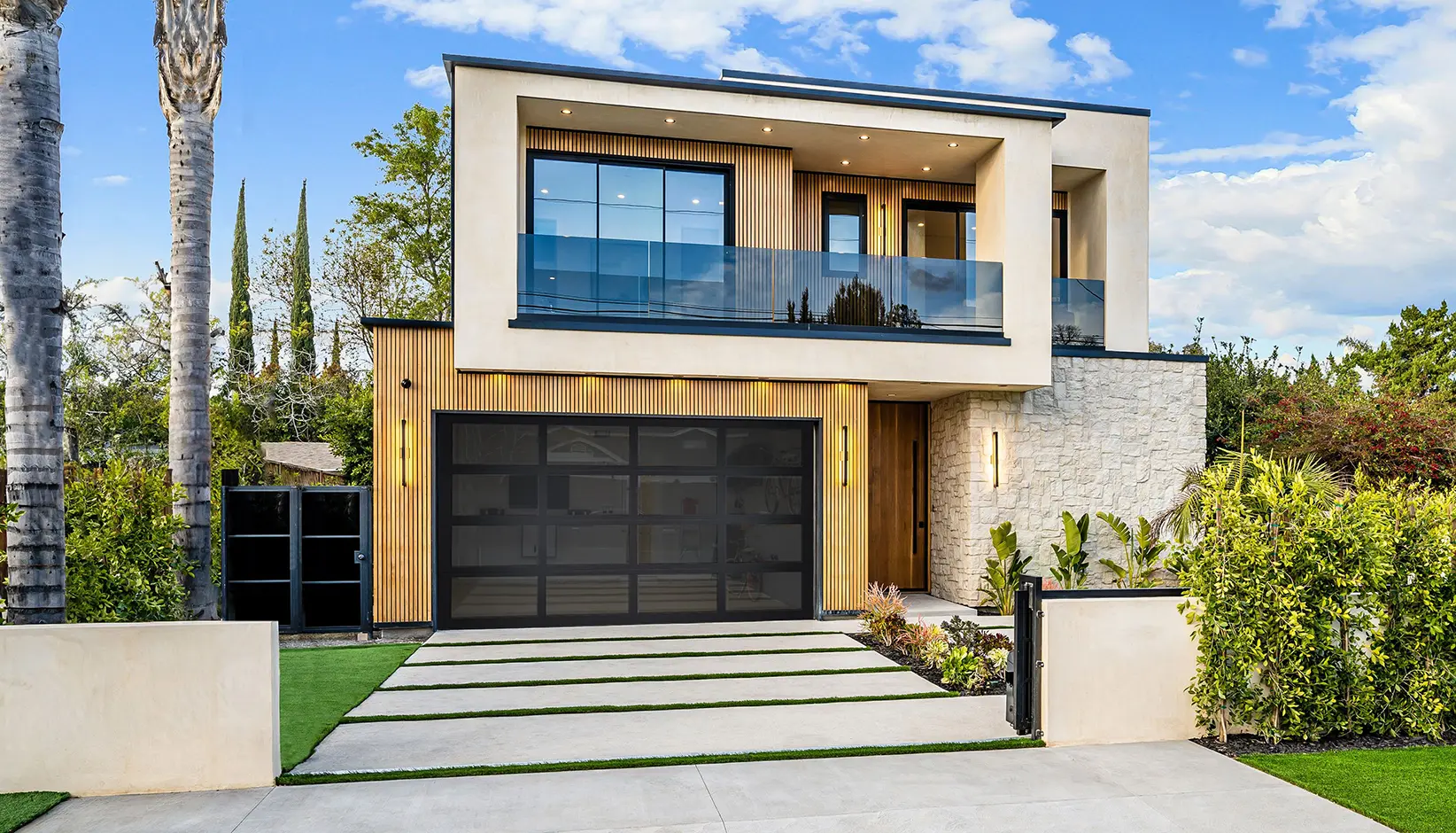
Canyon Ridge® 4-Layer garage door Design 21 with REC13 windows in Black finish
While location is a key factor in garage door safety, it’s not the only thing that matters. A home’s elevation and how close it sits to the coast can change the wind risk dramatically. For example, houses on hillsides or high ground may face stronger gusts, while those near the shoreline are more exposed to storm-driven winds. Local topography also plays a part—wind can be funneled through valleys or between buildings, amplifying its strength and putting extra stress on the door. Another important consideration is the age and condition of your current garage door. Older doors may lack the proper reinforcements or be weakened by years of wear and tear, making them less effective at withstanding strong winds. Even if you aren’t in a traditionally high-risk area, these factors can mean a wind resistant garage door is a smart upgrade for added protection.
Benefits of Wind-Resistant Garage Doors
Choosing a wind resistant garage door brings several advantages for homeowners, no matter where you live. First, these doors offer enhanced protection against wind damage, reducing the risk of repairs after a major storm. Many insurance companies recognize the value of reinforced garage doors and may offer premium discounts or other incentives for installing one. Upgrading to a high-wind garage door can also boost your home’s value—potential buyers appreciate extra layers of safety, which can make your property more attractive on the market. Most importantly, a stronger, reinforced door means better garage door safety for your family and belongings. Knowing your garage door is built to handle whatever the weather throws at it allows you to focus on more important things, especially when severe weather is in the forecast.
Alternatives to High-Wind Garage Doors for Garage Door Safety
Some homeowners consider after-market reinforcement kits as a cost-effective option. These kits, which typically include horizontal or vertical steel braces, can add strength to an existing door. However, they often don’t deliver the same level of protection as a factory-built WindCode® garage door. Many older doors lack the structure to handle added bracing, and retrofitting can cause balance or operational issues. For those in high-wind regions, hurricane shutters or impact-rated screens offer extra protection from flying debris but don’t address the door’s structural weaknesses. Bracing and retrofitting options exist, but we recommend replacing older doors with a WindCode® model. These are designed and tested from the ground up for strength and reliability, making them the safer long-term solution.
Making the Right Decision for Garage Door Safety
When considering whether a wind resistant garage door is right for you, start by looking at your location’s wind risk, local building codes, and common weather patterns. Don’t overlook your home’s elevation, proximity to the coast, or local topography, as these can amplify wind exposure. The age and condition of your current garage door also play a big role because older doors may be more vulnerable.
While researching options, remember that not all reinforcement methods are created equal. The safest and most reliable approach is often a purpose-built wind proof garage door tested for your region’s specific conditions. Consulting a local garage door professional is a smart move; they can assess your home’s needs and help you navigate building codes and product choices.