It’s a simple fact: when powerful storms arrive, a home’s biggest vulnerability is often hiding in plain sight. Recent studies show that up to 80% of residential storm damage starts with the garage door failing under pressure. Once the door gives way, wind rushes inside, increasing the risk of severe structural damage. For homeowners living in hurricane-prone regions or areas battered by high winds, garage door storm protection can make the difference between minor repairs and major loss.
The good news? Garage door bracing offers an affordable, proven solution. Most homes can be upgraded with accessible, effective bracing systems designed. Here we’ll break down how garage door bracing systems work, why garage door reinforcement matters, and what steps homeowners can take for reliable, affordable garage door wind protection.
Understanding the Need for Garage Door Bracing
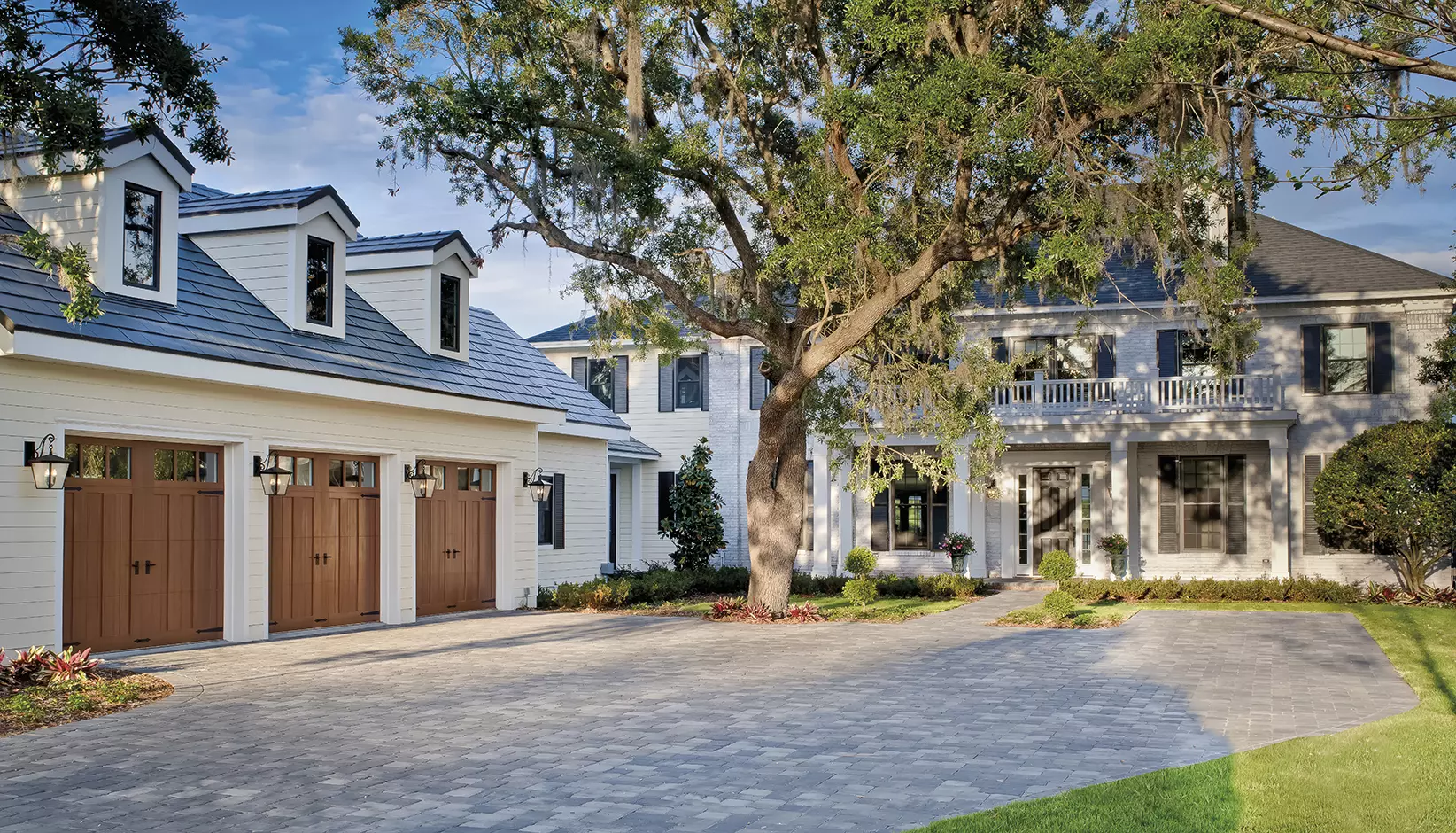
Canyon Ridge® 5-Layer garage door in custom stain
Most standard garage doors weren’t built with intense storms in mind. With their broad, flat surface and lightweight panels, garage doors face far higher wind loads than many other parts of the house. It’s not just the size, either—hinges, thin tracks, and undersized rollers are all weak points that storms can exploit.
When a door fails, the problems multiply fast. High-speed winds surge inside, raising internal pressure and often blowing out attic hatches or windows. This pressure differential can lift the roof right off. Water intrusion is another big threat; once winds open a path, rain can pour in and ruin everything from drywall to flooring.
Homeowners along the hurricane-prone coasts face the greatest threat, as do those living in Tornado Alley where sudden, severe wind spikes can occur. Even communities outside these hot spots can see damage from microbursts or seasonal high-wind events, making garage door storm protection a smart move for many.
Types of Severe Weather Threats
Severe weather poses a range of challenges, each with its own impact on garage door reinforcement needs. Hurricanes and tropical storms bring extended periods of high wind, with Category 3 and above storms regularly pushing winds over 110 mph. Both sustained winds and sudden gusts can stress garage doors to the breaking point, while storm surge and flooding add pressure from both sides.
Tornadoes are another story, with EF-scale wind speeds that can go above 200 mph for the most intense storms. These cyclones create rapid pressure drops and hurl debris with destructive force. Even a well-constructed door can be vulnerable if it isn’t equipped with hurricane garage door protection.
Thunderstorms and microbursts, while often less dramatic, are a constant threat across much of the country. Straight-line winds can flatten garages in minutes. Flash flooding from these storms also tests the water-resistance of doors.
Winter isn’t always gentler. Heavy snow accumulation adds unexpected load, especially on older doors. Ice can jam tracks and freeze moving parts, while repeated freeze-thaw cycles weaken seals and hardware. Living in any of these regions increases the need for garage door bracing systems designed to withstand nature’s worst.
Understanding Wind Load and Pressure Ratings
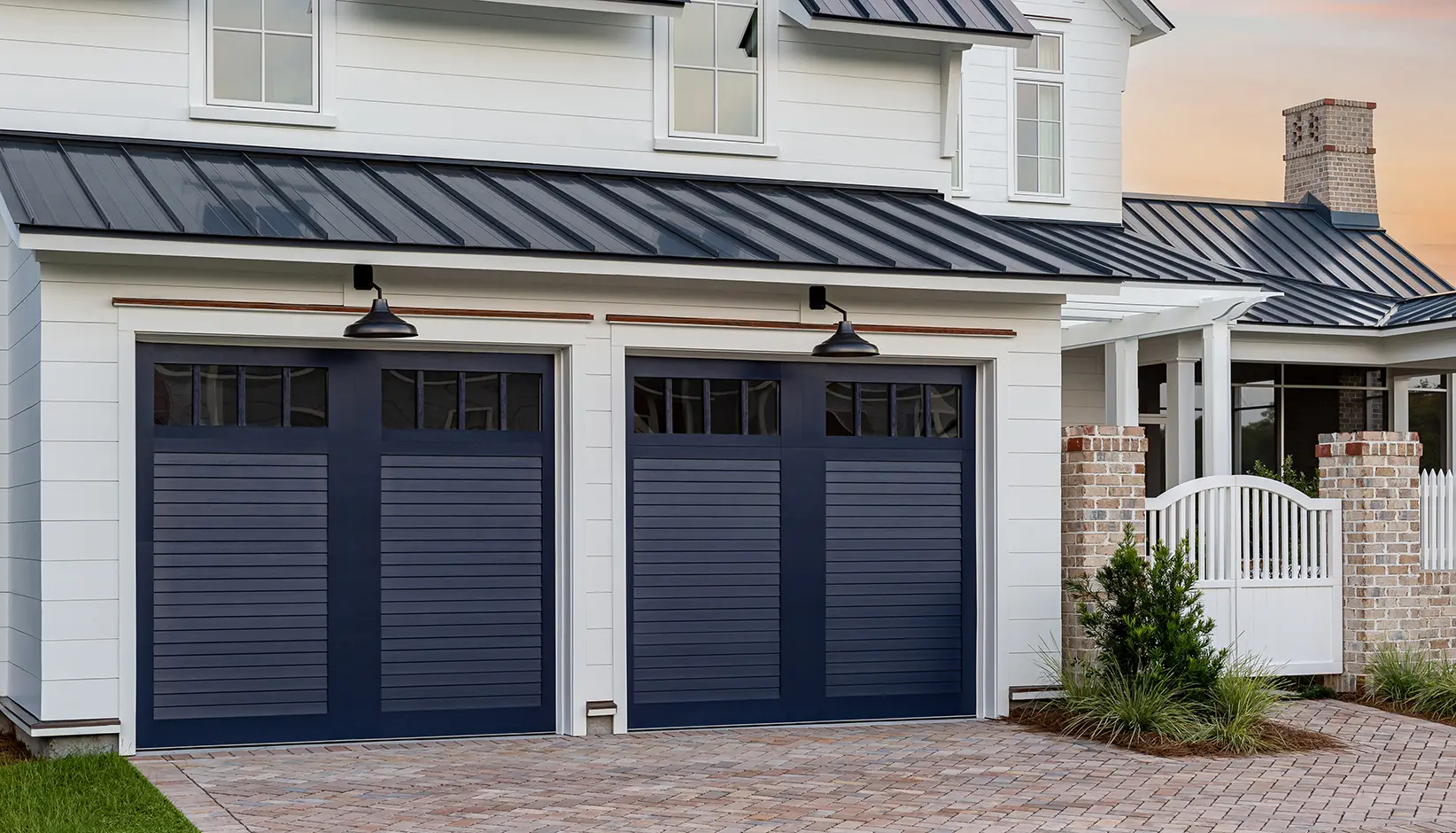
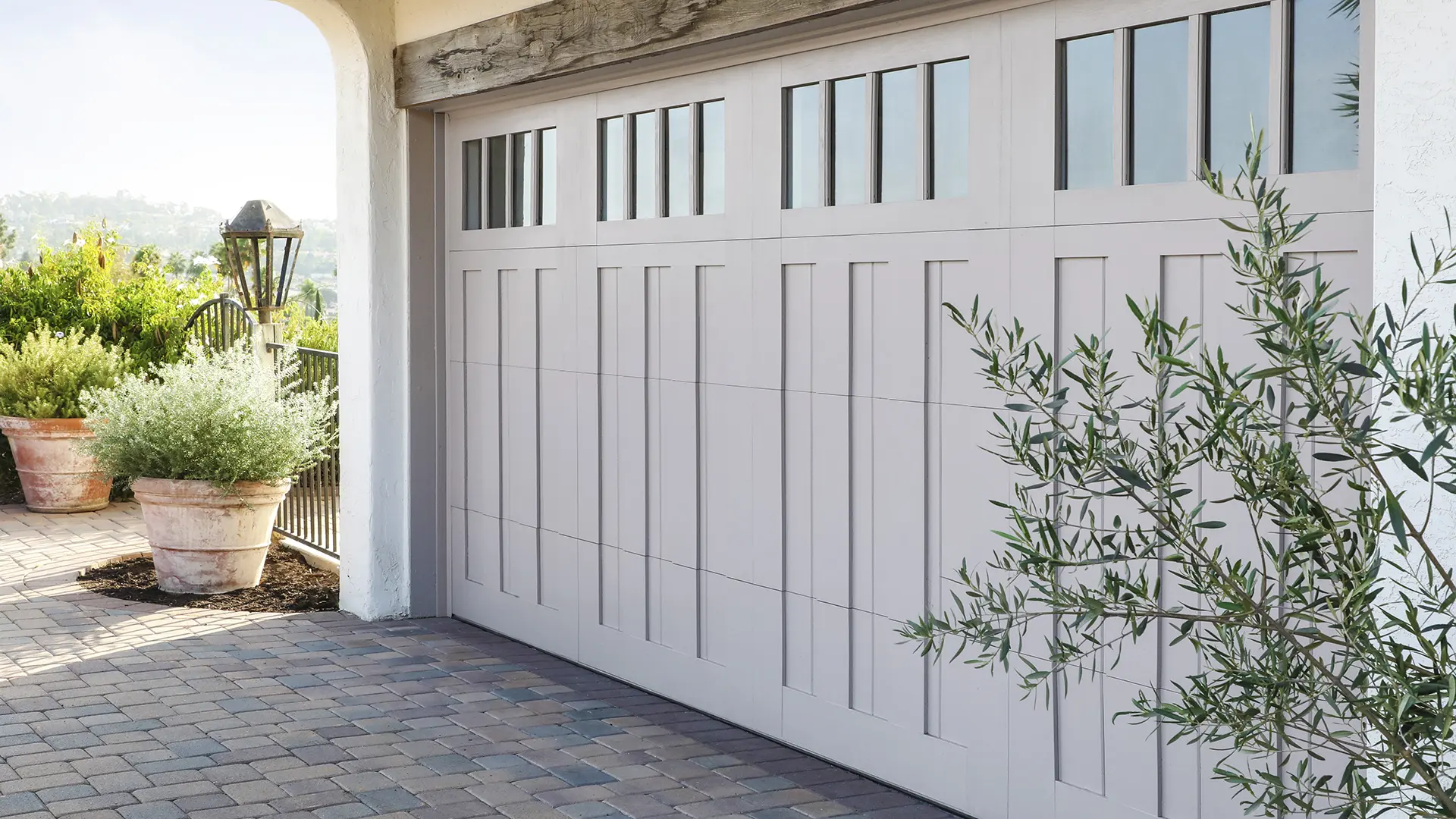
Canyon Ridge® Louver garage door in custom color
Understanding how wind affects garage doors is key to choosing the right garage door bracing. Wind load describes the force of moving air against the door, and it’s measured in pounds per square foot (psf). When storms hit, wind creates both positive pressure (pushing directly against the door) and negative pressure (pulling outward on the opposite side), both of which can stress vulnerable areas. Regions that see higher wind speeds have stricter design pressure requirements, meaning garage door wind protection isn’t one-size-fits-all.
To keep homes safe, most states use the International Building Code (IBC), which sets guidelines for door strength depending on wind zone. Coastal areas and high-wind regions may require doors with advanced garage door reinforcement and certification for higher design pressures. Some local codes add even more strict requirements, especially for retrofitting older homes versus building new ones. Retrofitting typically demands specific hardware and sometimes third-party verification to prove compliance.
Testing also matters. Trusted standards like ASTM protocols simulate hurricane conditions, while doors approved by Miami-Dade County or that meet the Florida Building Code are recognized as some of the toughest in the industry. The Florida Building Code (FBC) mandates that garage doors in designated High Velocity Hurricane Zones (HVHZ)—primarily Miami-Dade and Broward counties—must be specifically tested and approved to withstand extreme wind loads and flying debris.
Every garage door installed in these regions needs to meet or exceed certain design pressures. That means passing large and small missile impact tests, simulating real storm debris. Doors and garage door bracing systems must have a permanent label indicating they’re FBC- or Miami-Dade County-approved, and homeowners can verify this certification through official listings.
Elsewhere in Florida, outside the HVHZ, local codes generally align with the FBC requirements, though specific design pressures may vary based on wind zone mapping. Retrofit kits for older doors must also comply.
Types of Garage Door Bracing Systems
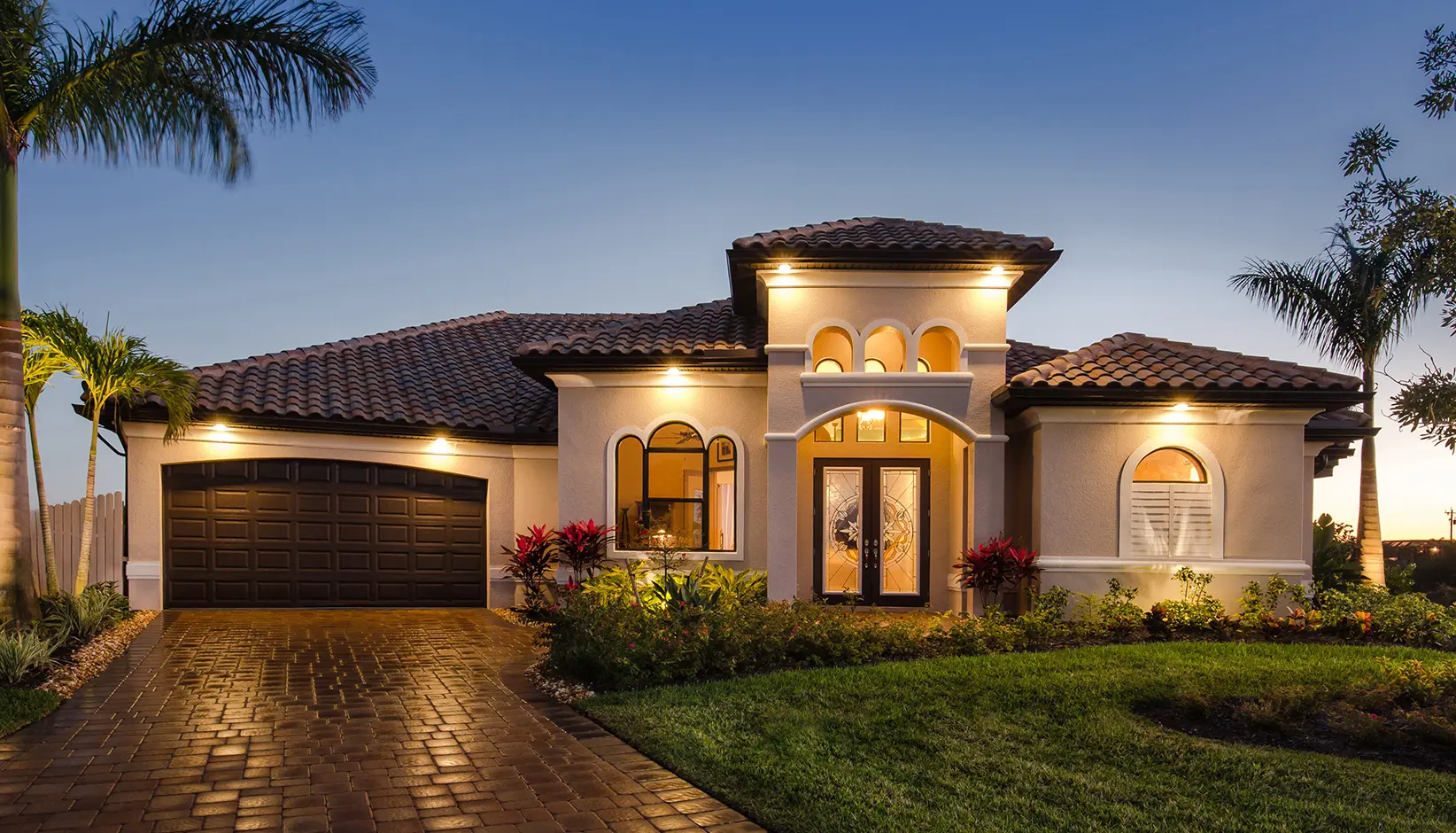
Classic™ Steel in Chocolate. Photo Credit: Aubuchon Homes
Understanding the different types of garage door bracing can help homeowners make the right decision for their situation. Horizontal bracing systems use steel or aluminum bars mounted across the back of the door. These bars spread pressure from strong winds across the entire width, preventing the door from bowing inward. They often attach to existing hinges and rollers, making installation straightforward, but may not suit all door styles, especially older or lightweight models.
Vertical bracing systems rely on supports that run from the garage floor to the header above the door. These braces anchor both ends firmly, channeling wind forces up and down. This can work for sectional doors and situations where extra reinforcement is needed. The floor-to-header connection offers a direct path to transfer wind load to the home’s structure.
While some homeowners may use aftermarket kits, we strongly recommend replacing older garage doors with models factory-built for wind and impact protection. Aftermarket add-ons typically can’t provide the same level of protection found in purpose-built wind-rated doors. Clopay’s WindCode® models feature engineered internal bracing and reinforced components, tested to meet the strictest building codes. Choosing a wind-rated door means protection is built in from day one, without guesswork or compromises.
Bracing Materials and Components
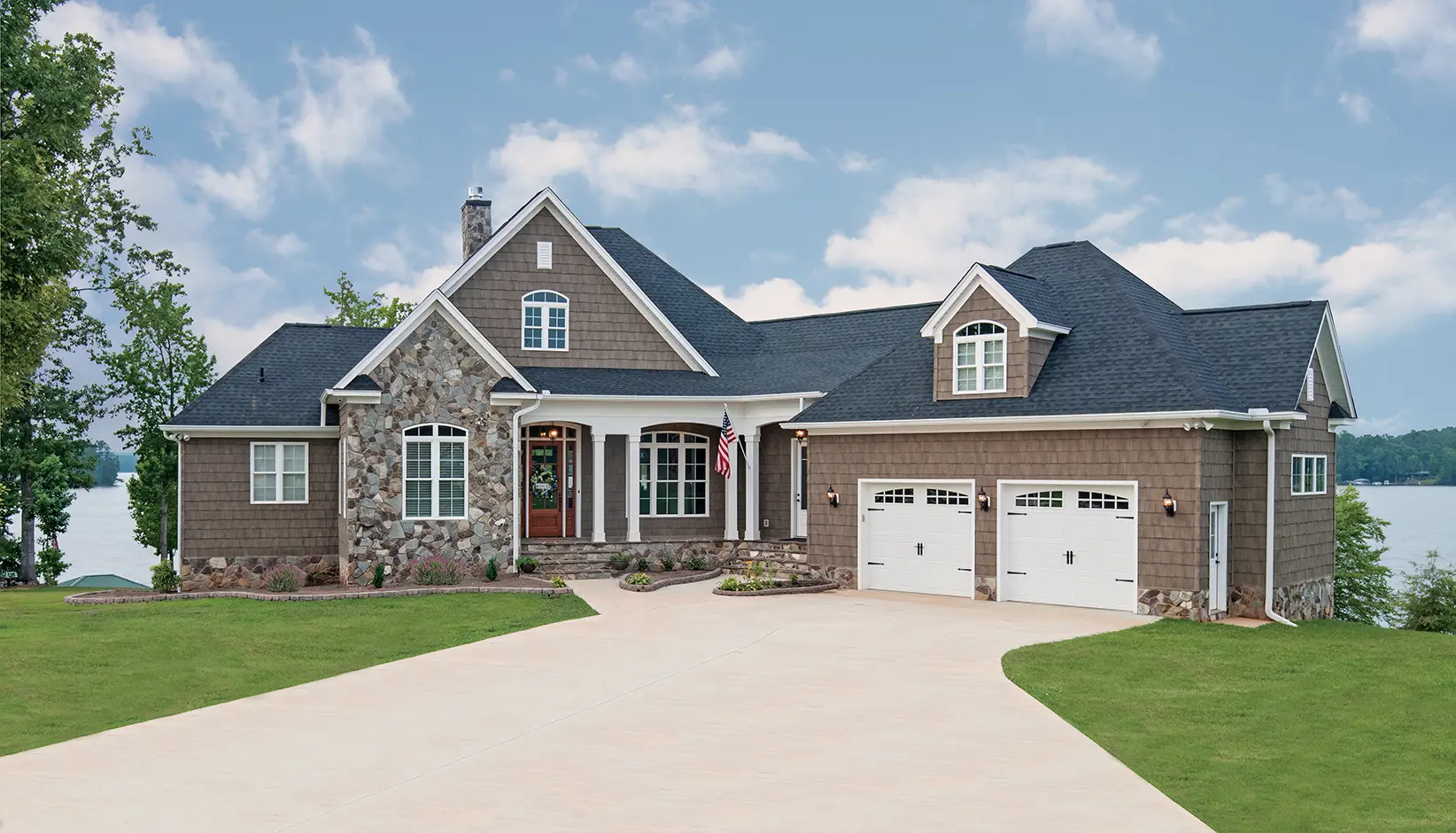
Gallery® Steel garage door in white
Effective garage door bracing relies on strong, reliable materials like steel. The gauge, or thickness, matters: lower-gauge steel (like 14 or 16) is beefier and provides more dependable storm protection. For some homes, aluminum bracing makes sense. Aluminum is lighter than steel, which can simplify installation and reduce strain on older door hardware.
Every garage door style faces its own set of challenges in high winds, and not all doors are designed to withstand severe weather. Rather than trying to reinforce a non-rated, existing door, it’s far safer to opt for a door specifically manufactured for storm resilience. Clopay WindCode® doors come traditional styles and specialty looks, including carriage house and glass models. These doors are built with inherent structural strength, so you don’t have to wonder about hidden vulnerabilities.
Installation Considerations
When it comes to storm protection, installation is not a place to take shortcuts. Rather than attempting to reinforce an existing garage door with kits or add-ons, which can cause balance, safety, or code compliance issues, it’s safer to choose a new, wind-rated door installed by professionals.
Certified installers ensure every part of the new door, from internal reinforcement to hardware and tracks, meets both local codes and the manufacturer’s quality standards. This approach also preserves your warranty coverage and reduces the risk of future malfunctions or safety hazards. Opting for a WindCode® door and professional installation means you don’t have to worry about hidden installation problems or surprises down the line.
Bracing for Different Garage Door Types
Not all doors are designed to withstand severe weather, and bracing needs differ depending on the type of garage door on your home.
Single-Panel Doors
- Reinforcing the center with rigid horizontal bars and adding extra side supports helps.
- Limited frame and track strength, especially in older models, can be a constraint.
- Full replacement may be needed if the panel or frame lacks integrity.
Sectional Doors
- Vertical braces help transfer wind loads to the building’s framing.
- Reinforcing hinges and upgrading tracks and rollers to high-load-rated hardware is needed.
- Weak hinges or tracks can become failure points in storms.
Roll-Up and Commercial Doors
- Require heavy-duty vertical and horizontal bracing for industrial-level wind loads.
- Specialized mounting systems are often necessary.
- Professional installation is recommended due to hardware complexity and code compliance.
Keep in mind not all doors can be safely reinforced after installation. The most reliable solution is to install a door specifically engineered for high winds and impacts. Clopay’s WindCode® doors have built-in bracing systems, and offer consistent, code-tested protection.
Integration with Existing Door Systems
If you choose to add a garage door bracing system, keep in mind the extra bracing can increase door weight, sometimes requiring a heavy-duty opener or spring adjustments. Bracing may also mean upgrading tracks, hinges, and rollers because weak hardware can’t handle increased wind loads. Check all weatherstripping and seals after installation. Quality sealing prevents water and wind from getting inside, ensuring your garage door wind protection works as intended.
Remember, retrofitting older doors can introduce problems with balance, opener compatibility, and everyday operation. You may want to consider upgrading to a WindCode® door, which has permanent bracing built in. WindCode® doors are constructed to work smoothly with most standard openers, delivering consistent performance and dependable resistance to wind and debris.
Cost Analysis and Budgeting
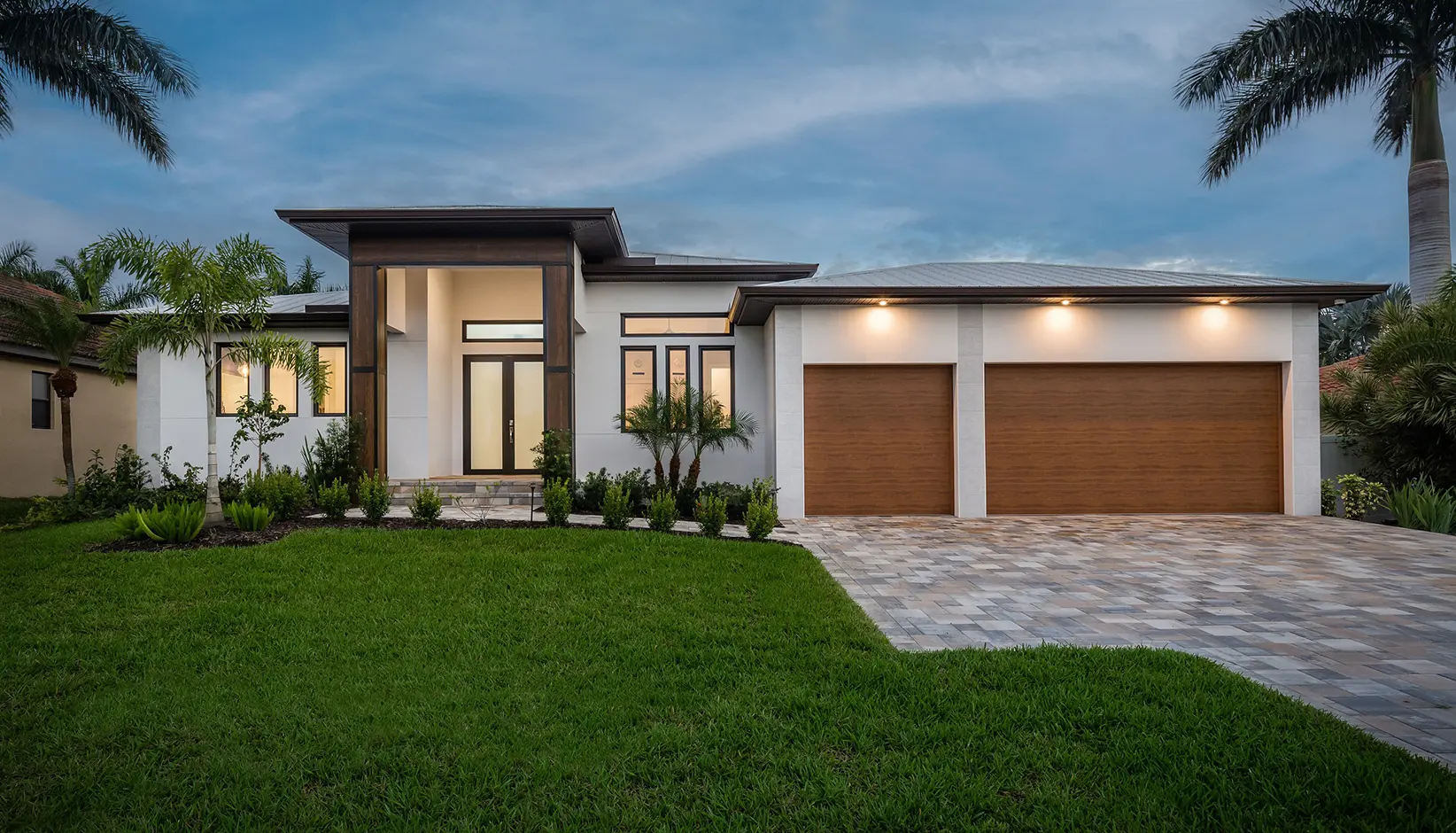
Modern Steel™ garage door in Ultra-Grain® dark finish. Photo Credit: Aubuchon Homes
Investing in garage door bracing is a smart move when comparing potential costs and long-term benefits. The upfront expense of a quality garage door storm protection system often pales in comparison to the costs of repairing structural damage if the door fails during a storm.
Many insurance companies recognize this investment and offer premium discounts for homes equipped with certified garage door reinforcement in hurricane-prone or high-wind regions. Even a modest reduction in risk can save thousands by avoiding water damage, lost insulation, and ruined possessions.
Beyond storm season, a reinforced setup may even boost home value, particularly in markets where buyers look for resilient, “wind resistant garage doors.” Perhaps most valuable, though, is peace of mind. It’s hard to put a price on your home being better prepared for whatever nature throws its way.
Maintenance and Inspection
To keep garage door bracing systems working, stick to a regular maintenance routine. Inspect every brace, fastener, and anchor before storm season and check again after any severe weather for bent, loosened, or compromised parts.
Look for rust, cracked mounting points, missing bolts, or if the door strains or moves unevenly. If you spot issues or hear new noises, call a professional—especially when repairs are needed quickly.
A WindCode® door simplifies upkeep for storm protection. Instead of managing aftermarket braces or seasonal installs, you’ll just inspect the standard components—weatherstripping, tracks, and rollers—as recommended. Built-in bracing means less maintenance overall and fewer surprises during weather checks.
Alternative and Complementary Protection Methods
While garage door bracing systems add strength, some homeowners opt for impact-resistant garage doors as a comprehensive solution. These wind-rated doors are engineered from the ground up to withstand high pressures and flying debris, using reinforced materials and heavy-duty hinges built into the door itself. They’re rigorously tested and certified to meet strict regional codes, often providing even greater garage door storm protection than add-on braces alone.
The upfront cost of an impact-resistant door, like Clopay® WindCode® garage doors, is higher compared to most bracing kits, but it rolls the benefits of bracing, weatherproofing, and durability together.
Regional Considerations

Canyon Ridge Louver in black
No single approach to garage door bracing fits every region. Along the Gulf Coast, where hurricanes are a frequent threat, homeowners must pay close attention to stringent wind load requirements set by building codes. Garage door storm protection here often calls for both bracing and wind-rated doors capable of withstanding extreme pressures. The humid, salty air also accelerates corrosion, making galvanized steel or aluminum braces the smart pick for long-term durability.
In the Midwest, tornadoes pose a different kind of challenge. Rapid, unpredictable storms demand protection that’s fast to deploy or already built into the door. With tornadoes known for sending debris flying at high speeds, a focus on impact resistance and secure anchoring is important.
Mountainous regions and high-wind corridors, meanwhile, require bracing designed for steady, year-round winds plus sudden gusts. Elevation means heavier snow loads are common, so any garage door should account for the extra weight doors might carry each winter. Temperature swings and altitude can also stress door hardware, making material quality and installation standards especially important.
Don’t wait for the next forecast of bad weather! Investing in garage door storm protection offers lasting security and value for any property. But trying to reinforce an old door won’t deliver the outcome most homeowners expect. Choosing a wind-rated garage door, like the Clopay WindCode®, is the proven way to secure your garage against storms. If you want expert advice or installation, contact your local Clopay dealer to get started.