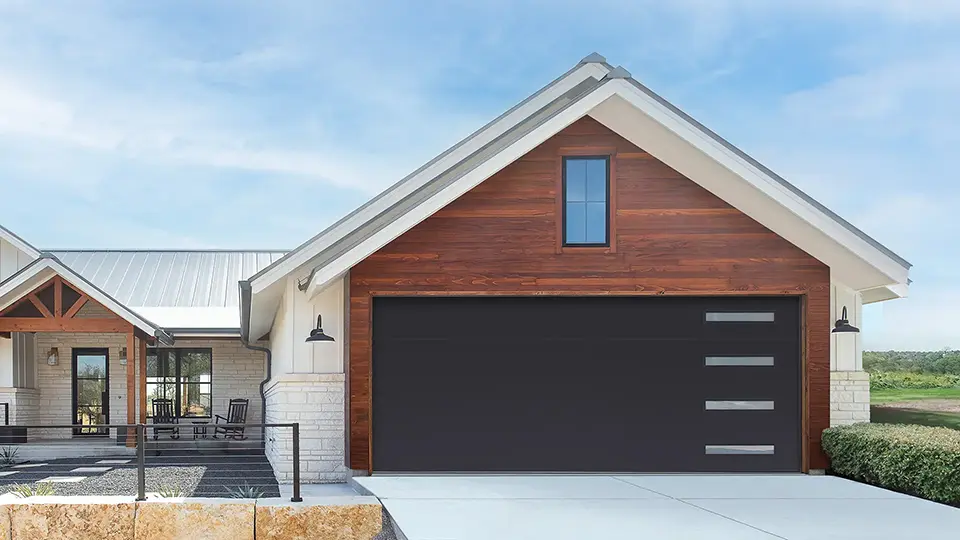
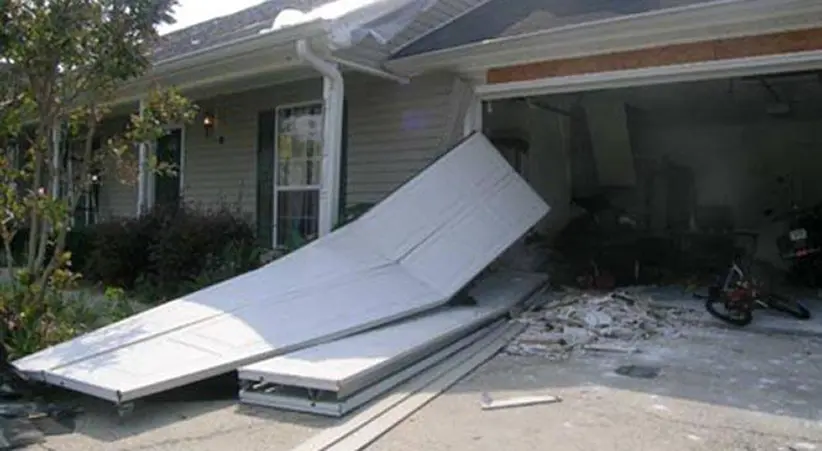
When it comes to hurricane protection, many homeowners focus on windows and roofing, but the garage door deserves just as much attention. During a hurricane, the garage door faces relentless wind pressure that can spell disaster for the rest of the house. Statistics show that garage door failure is one of the main causes of storm-related damage, with high winds pushing through and threatening the structural integrity of your entire home.
That’s why investing in a hurricane garage door is essential. A garage door rated for hurricanes is built to withstand severe gusts and flying debris, with design features like heavy-gauge tracks, reinforced panels, and durable hardware anchoring everything in place. Choosing a hurricane-rated door or an impact-resistant garage door means you’re adding a powerful layer of defense where it matters most.
Understanding Hurricane Ratings and Building Codes
Understanding hurricane ratings and building codes is a must for anyone comparing garage doors in storm-prone areas. Terms like “wind-resistant garage door,” “hurricane-rated door,” and “impact-resistant garage door” aren’t just marketing. These designations tie directly to how well your garage door will stand up to violent winds, pressure changes, and flying debris.
Wind load rating refers to how much pressure a garage door can handle before it buckles or detaches. During a hurricane, sudden gusts can test this limit in seconds. This is why models labeled as hurricane garage doors or garage doors rated for hurricanes are engineered with reinforced hardware, heavy-duty tracks, and rigid panel construction. Impact resistance is a second, equally important rating. Garage door reinforcement for impact means the door won’t easily puncture or shatter when hit by debris.
Building codes set the baseline for these standards, and they’re especially detailed in coastal states. The Florida Building Code is considered one of the most rigorous in the country and requires doors in certain zones to pass tests simulating hurricane conditions, including large missile impact. The International Building Code offers similar guidelines for other hurricane-prone regions, ensuring reinforced garage doors are up to the challenge, no matter the address.
Before purchasing, you’ll want to verify your area’s local codes, which can vary by municipality and sometimes change faster than most people realize. Garage door insurance requirements might also call for a hurricane-rated door if you want full coverage on your policy.
Types of Hurricane-Rated Garage Doors
Choosing the right hurricane garage door starts with understanding the material options and what makes each one uniquely suited to stand up to storms. Steel, aluminum, and wood are all available as garage doors rated for hurricanes, but they each come with distinct strengths.
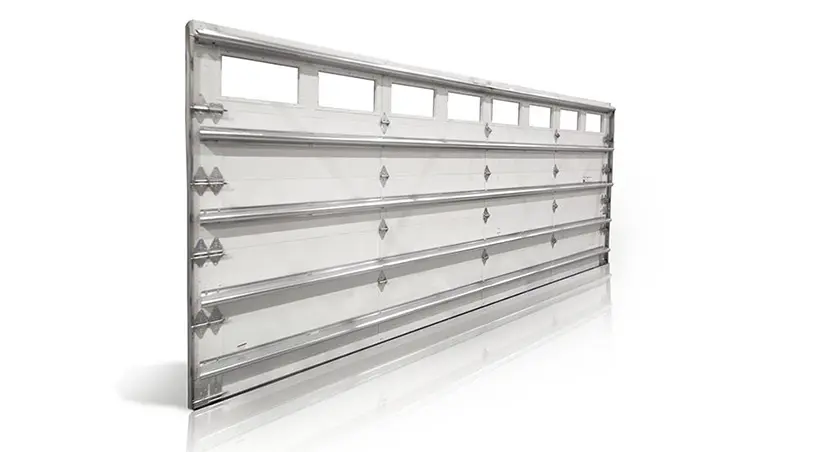
Steel garage doors are a top pick for hurricane protection, thanks to their durability and strength. Pay attention to gauge thickness—the lower the gauge number, the thicker and stronger the steel. Many steel hurricane-rated doors also come with built-in garage door reinforcement, like double-end stiles, extra struts, and specialized bracing systems. These extra measures mean the door is less likely to bend or separate from the tracks during extreme wind events.
Aluminum garage doors are another solid option, especially where humidity and salt air are concerns. Aluminum is naturally resistant to corrosion, making it a practical choice for coastal homes. Modern aluminum hurricane garage doors are engineered with robust wind-resistant designs, often featuring internal reinforcement and heavy-duty hardware to meet or exceed local codes.
Wood garage doors bring an unmistakable warmth and curb appeal but require careful consideration if you’re seeking hurricane protection. Some wood doors are designed with impact-resistant garage door construction, including reinforced panels and extra bracing. Keep in mind, wood must be properly sealed and inspected regularly to preserve its strength against wind and water.
Preparing Your Existing Garage Door for Hurricane Season
Before hurricane season arrives, it’s smart to inspect your garage door and make any upgrades needed to strengthen your home’s protection. Start with a visual inspection. Look for rust on steel components, warping or cracks in panels, and any obvious impact damage from previous storms. Check all nuts, bolts, and hinges for signs of looseness and tighten anything that feels wobbly. Worn rollers and bent tracks can weaken even a reinforced garage door, so replace those parts if needed. Regular lubrication of moving parts, such as hinges, springs, and rollers, keeps everything running smoothly and reduces wear.
If you don’t have a hurricane-rated door yet, there are DIY options to provide temporary garage door reinforcement. Some homeowners install removable hurricane braces or retrofit struts across each door panel prior to a storm. While these additions aren’t a substitute for a wind-resistant garage door or a fully reinforced design, they can add extra support during high winds. Be sure to follow manufacturer instructions closely for a proper installation.
Professional Installation vs. DIY
When it comes to installing a hurricane garage door, homeowners often weigh the choice between hiring a professional and tackling the project themselves. Each approach offers upsides and drawbacks, but there’s no question that proper installation is essential if you want real hurricane protection.
Garage doors rated for hurricanes, especially those featuring advanced reinforcement or impact-resistant glass, require precise alignment, exact tension settings, and heavy-duty anchoring. A skilled installer knows how to handle wind-resistant garage doors, ensuring that every piece fits and performs as designed. Many manufacturers, including Clopay, recommend professional installers so the warranty remains valid and the door meets local building code requirements.
Clopay WindCode® garage doors are Storm-Ready®, meaning there is no need to add posts or additional reinforcement to secure the door. Reinforcement is built into the structure of the door and is engaged by simply locking it, a timesaving convenience in the event of a sudden evacuation notice. This type of door is particularly beneficial to vacation homes and rental property owners because they have the peace of mind knowing the garage door is secure as long as it’s locked.
DIY installation can be tempting, particularly for homeowners handy with tools. It might save on upfront labor costs, and for some with experience, swapping out basic doors or reinforcing hinges and rollers is manageable. But garage doors are extremely heavy, and even minor mistakes can cause the door to underperform or fail in a storm. The risk simply isn’t worth it when dealing with high wind and debris.
Ultimately, the safety of your property comes down to the door’s performance when it matters most. If you go the professional route, look for installers experienced with reinforced garage doors and familiar with regional building codes. A reputable installer will offer proof of licensing, show past projects, and answer questions about hurricane protection standards for your area. For a local expert, reach out to a Clopay dealer near you.
The Importance of Garage Door Opener Compatibility
When upgrading to a wind-resistant garage door or reinforced garage door, make sure your opener is rated to handle the added weight and extra bracing. Some garage doors rated for hurricanes are significantly heavier, and older openers may struggle or wear out quickly.
Another consideration is power. With hurricanes, outages are practically guaranteed. A battery backup option for your garage door opener ensures you can still open and close the door, even if the main power is out.
During extreme weather, manufacturers and installers often recommend disconnecting the opener entirely and operating the garage door manually. This step minimizes stress on the opener and helps you avoid damage if the power surges or the door needs to be secured quickly. Always check the manual release function and make sure it works smoothly before storm season starts.
Homeowner's Insurance and Hurricane Protection
Investing in a hurricane-rated garage door can also make a difference when it comes to homeowner’s insurance. Many insurance companies look favorably on homes with hurricane protection measures in place, and reinforced garage doors or garage doors rated for hurricanes often qualify for reduced premiums in high-risk areas.
Insurance providers may require documentation that your wind-resistant garage door meets or exceeds local building codes. This proof can include receipts, installation records, product labels, or certification paperwork from your installer. Keeping this documentation organized makes the claims process smoother and shows you’ve taken proactive steps to protect your property.
Reinforced garage doors, especially those rated for hurricanes and equipped with modern garage door reinforcement, can be the deciding factor in how well your property stands up to the next big storm. Proactive steps today can spare you both worry and costly repairs tomorrow. Don’t wait until hurricane season is here; make garage door hurricane protection part of your plan and rest easier knowing your home is ready.
You can learn more about Clopay’s WindCode® garage doors with built-in reinforcement and find a local Clopay dealer to answer any questions you may have!
Helpful Articles
Exploring Different Types of Garage Doors