Article Summary:
Your garage door track configuration matters more than you might think since it directly impacts how you can use your space. This post shares how standard configurations work well for typical garages, but taller vehicles, overhead storage, or unique ceiling heights may need other options. High lift tracks raise the door closer to the ceiling, making them ideal for RVs or avoiding obstacles. Vertical lift configurations maximize overhead space by running straight up the wall, perfect for dual-purpose garages like indoor gyms. For pitched or sloped roofs, tracks can follow the roofline to preserve headroom and complement your garage’s architecture. Customized configurations require precise measurements and professional installation, and they usually cost more than standard lifts. Understanding your options helps you choose a configuration that balances functionality with how you actually use your garage.
Could your garage be working harder for you? The right garage door track configuration can make a surprising difference in how much usable space is in your garage. From storage to workspace, even a few extra inches of clearance can change what’s possible. Summer is when most homeowners start thinking about upgrades, but planning ahead means you won’t get caught scrambling when you need that extra room the most. Understanding garage door track types is the first step toward getting the most out of your space, no matter what the season brings.
Understanding Garage Door Track Types
When it comes to getting the most out of your garage, the type of track you use matters more than most people realize. Different garage door tracks are designed to fit different needs, from maximizing headroom to making space for taller vehicles or storage. The track system you choose can determine how much vertical and overhead space you’ll have to work with.
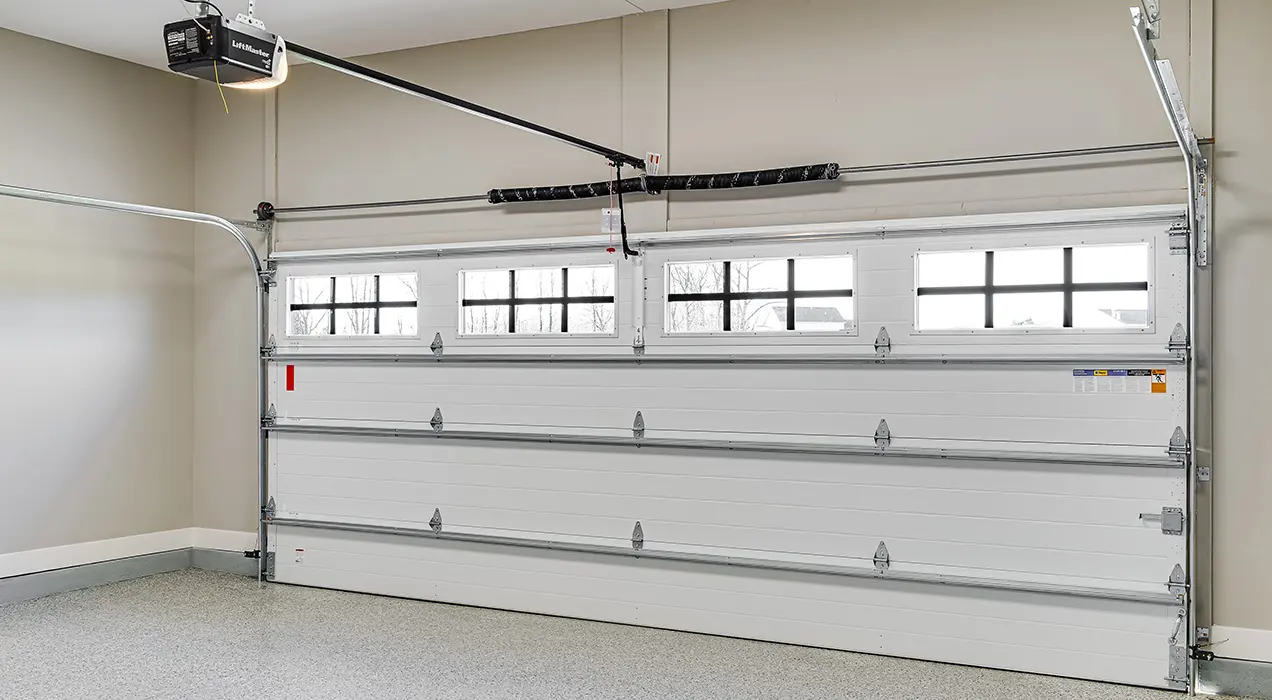
Most garages start with a standard track, which is a reliable option that fits the bill for typical ceiling heights and basic storage. Standard tracks run parallel to the ceiling and require a modest amount of garage door clearance above the opening. While practical for many homes, this setup doesn’t always make the most of your available space, especially if you have special storage needs or unique obstacles.
That’s where options like the high lift garage door, low headroom garage door, and vertical lift garage door tracks come in. Each is designed to solve a particular space challenge, whether you’re trying to add shelving, park a taller vehicle, or squeeze every inch out of a low ceiling. Knowing the differences between these garage door track types helps ensure your garage lives up to its full potential.
Maximize Space with a Low Headroom Garage Door Configuration
Not every garage comes with generous ceiling height. If you’ve ever measured from the top of your garage door opening to the ceiling and found less than 12 inches of space, you’re dealing with what’s called low headroom. This tight squeeze can make installing a standard track almost impossible, and it often leads to frustration when you’re trying to fit in lighting, storage racks, or simply want to avoid a bulky track eating up precious inches.
A low headroom garage door configuration is engineered exactly for these situations. Instead of requiring a big stretch of overhead space, these tracks use a unique double-track system or specially designed hardware that allows the door to open smoothly, even when ceiling clearance is at a minimum. The spring and roller arrangement is more compact, so the door can follow a tighter curve as it opens, hugging the ceiling without dipping too low into your usable area.
Gain Vertical Garage Door Clearance with a High Lift Garage Door
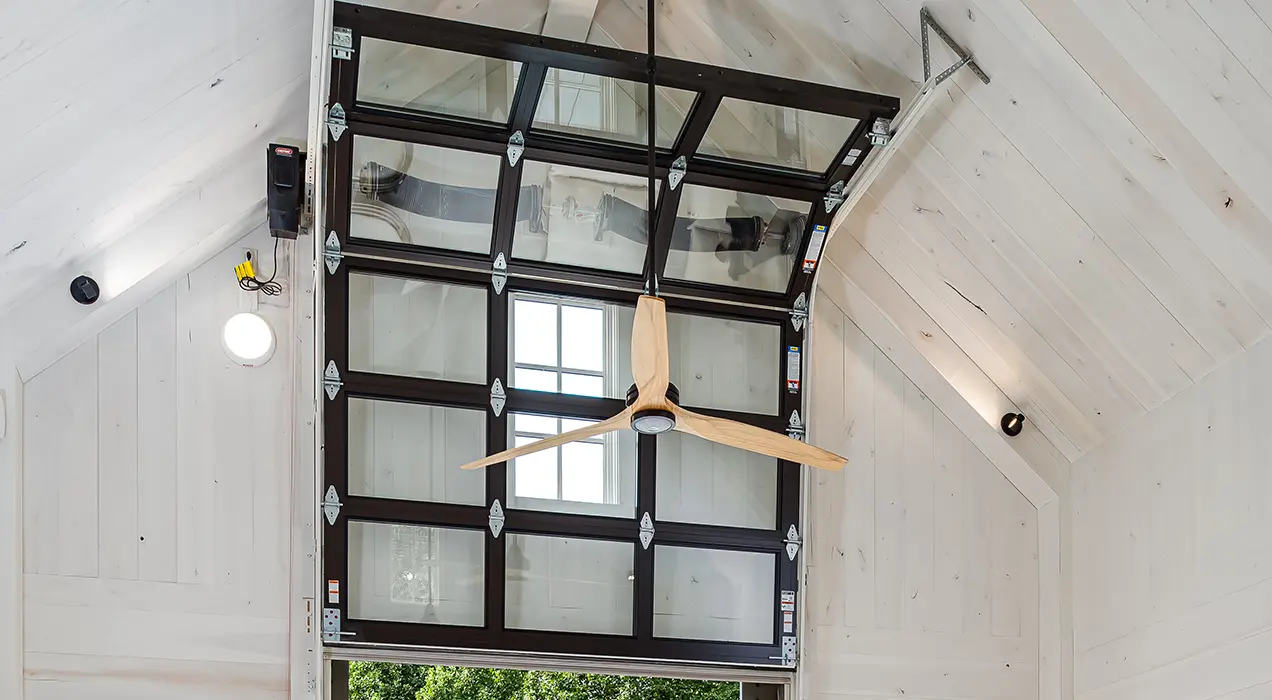
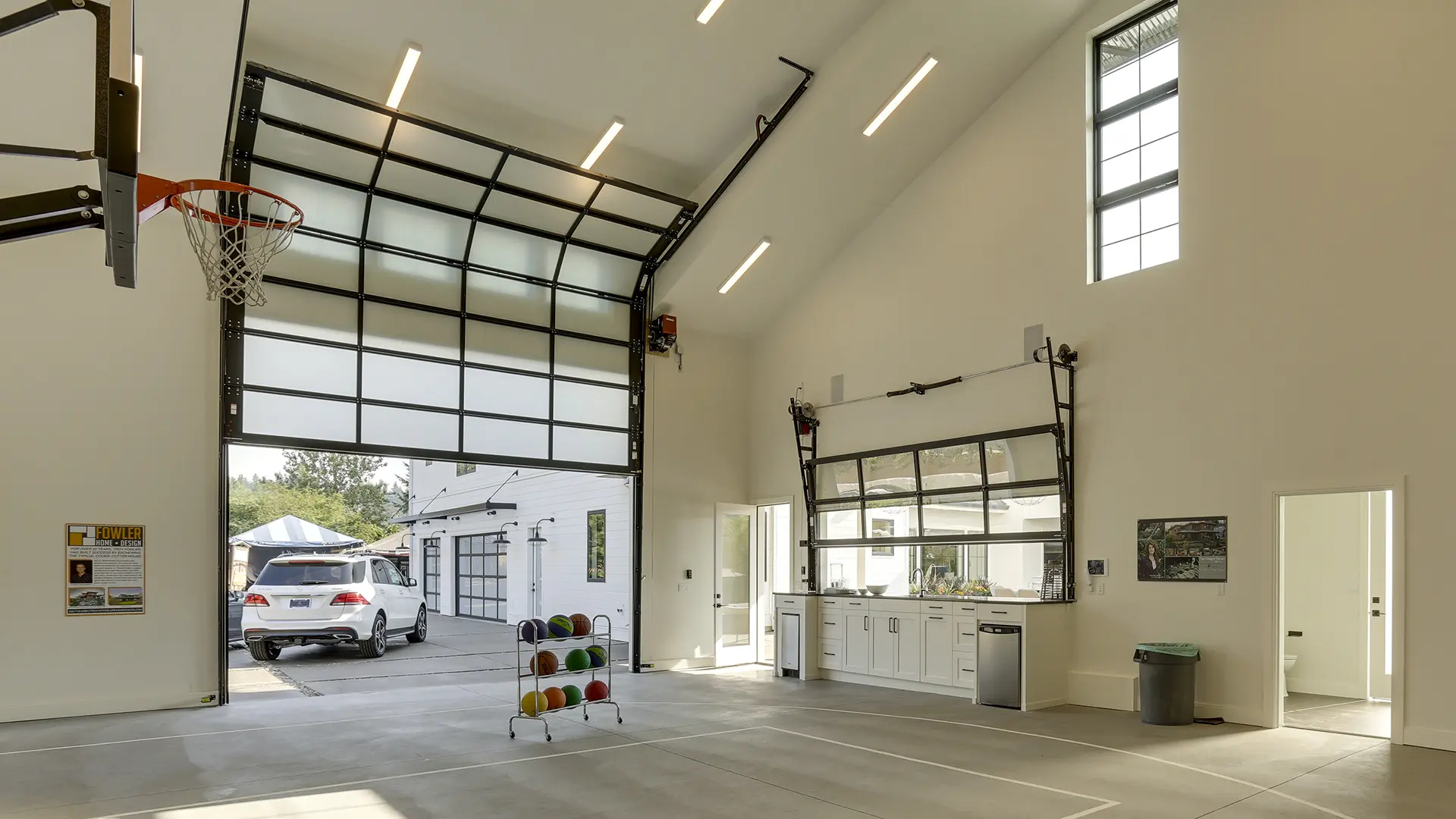
The Avante® garage door on this outdoor party barn use a high lift track so that the rails don’t interfere with the ceiling fans and extended height roof line.
A high lift garage door configuration takes the standard track design a step further. Instead of the track quickly turning horizontal just above the opening, it rises higher up the wall before transitioning to the ceiling. This setup gives you increased garage door clearance, meaning the door stays closer to the wall and out of the way when it’s open.
Why does this matter? For starters, a high lift garage door is perfect for garages with taller ceilings, where you want to make use of every inch of vertical space. Many homeowners use this configuration to install car lifts, letting them park one vehicle above another and essentially double their parking space without expanding the footprint. It’s also ideal for those who want to add large shelving units, overhead storage racks, or even create a home gym or workshop where unobstructed space is essential.
Vertical lift tracks, which run straight up with no curve to the ceiling, are another option for maximizing overhead room. This is especially useful in garages that serve multiple purposes. Think basketball hoops, climbing walls, or any setup where a low-hanging door would get in the way. With the right garage door clearance, you’ll discover more options and ways to use the space that you may never have considered.
The Ultimate Space Solution: Vertical Lift Garage Doors
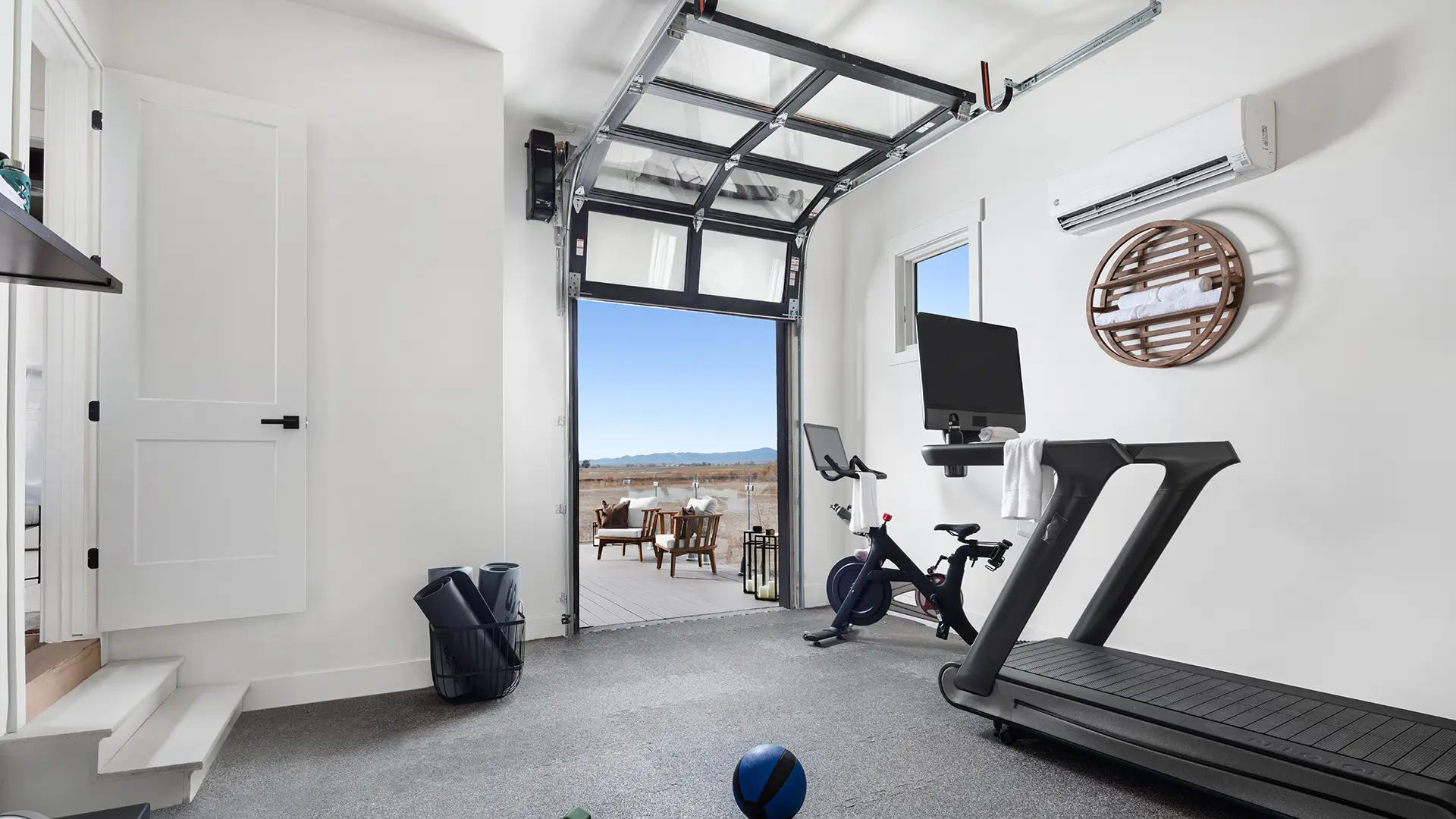
When space is at a premium, the vertical lift garage door stands out as the top choice for truly maximizing every square foot. Unlike other configurations, this track system allows the door to rise straight up along the wall, never curving back toward the ceiling. The result is a completely unobstructed ceiling area—perfect for tight spaces where every inch counts or for garages with a modern, industrial look.
A vertical lift garage door, like Clopay’s award-winning VertiStack® Avante® is a natural fit for urban garages, renovated warehouses, or any layout where traditional tracks would interfere with lighting, ductwork, or overhead storage. Homeowners with tall, narrow spaces often find that this setup lets them reclaim room that would otherwise go unused. It’s also a favorite in homes designed with a minimalist or contemporary aesthetic, since the track system keeps lines clean and the ceiling clear.
Beyond just everyday parking, vertical lift tracks are popular for specialty uses—a compact workshop where tools hang from the ceiling, a sleek home gym, or even a garage that doubles as an event space.
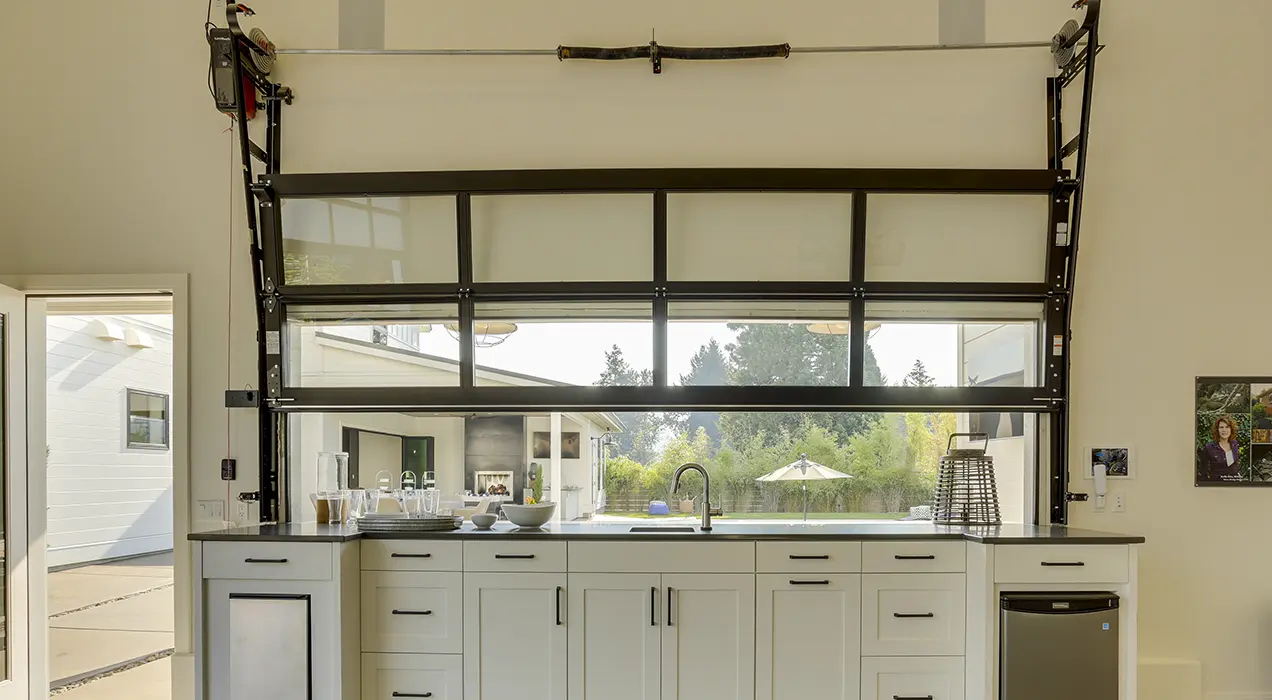
A vertical lift track requires the door height plus 12 inches of headroom clearance. The door travels up the wall without any horizontal tracks protruding into the space.
Beyond Space: The Hidden Benefits
The benefits of upgrading to a high lift garage door, low headroom garage door, or vertical lift garage door start by giving you a smoother, quieter performance. Modern track systems are engineered for efficiency, so the door glides with less friction and puts less strain on the opener, reducing wear and tear over time.
There’s also a bonus for your home’s value. A well-designed, smoothly operating garage door can enhance curb appeal and make a strong first impression—something potential buyers notice right away.
Safety should never be overlooked either. Properly fitted tracks help your garage door operate as intended, lowering the risk of sudden drops or jams that could lead to injury. Investing in the right configuration is a smart move for both convenience and peace of mind.
Choosing the Right Garage Door Track Types: Key Considerations
Choosing the right garage door track types starts with an honest look at how you use your space. Start by determining the main function of your garage— is it just parking, or do you need room for storage, hobbies, or a home gym (and possibly an overhead fan)? Measure the distance from the top of your garage door opening to the ceiling to see if you’re working with low headroom or have the height for a high lift garage door or vertical lift garage door.
Consider practical constraints: Are there pipes, ductwork, or lighting that could interfere with certain track systems? Is maximizing overhead storage or fitting a car lift on your wish list? Don’t forget about aesthetics—some homeowners prefer the clean lines of a vertical lift garage door for a more modern look.
While it’s tempting to make a choice on your own, consulting with a professional is always a smart move. An experienced Clopay dealer can evaluate your garage’s unique structure and recommend the best garage door track type for your needs. They’ll guide you through options that balance space, style, and safety, ensuring you get the most out of every square foot.
Reclaim Your Garage Space Today
The right track configuration can unlock more space, improve day-to-day functionality, and add value to your home. Don’t settle for a one-size-fits-all solution. Be sure to explore your options and connect with a local Clopay dealer to see how you can make your garage work harder for you.
Helpful Articles
Garage Door Springs 101: Signs, Safety, and Professional Insights