Energy-efficient garage doors help limit heat transfer and block drafts, which can keep your garage more comfortable and support lower energy costs. Your garage door is likely the largest opening in your home, so choosing or upgrading to an energy-efficient garage door can make a big difference in overall comfort and savings. Whether you're looking to upgrade your existing door or install a new one, understanding how insulated garage doors work and what features to look for can help you make the best choice for your needs.
What Are Energy-Efficient Garage Doors?
Energy-efficient garage doors are insulated, well-sealed doors that help reduce heat transfer between your garage and the outdoors. These garage doors use materials and construction techniques that keep hot air or cold air outside, no matter the season. Many energy-efficient garage doors use insulated cores, durable exterior layers and tight perimeter seals to improve thermal performance.

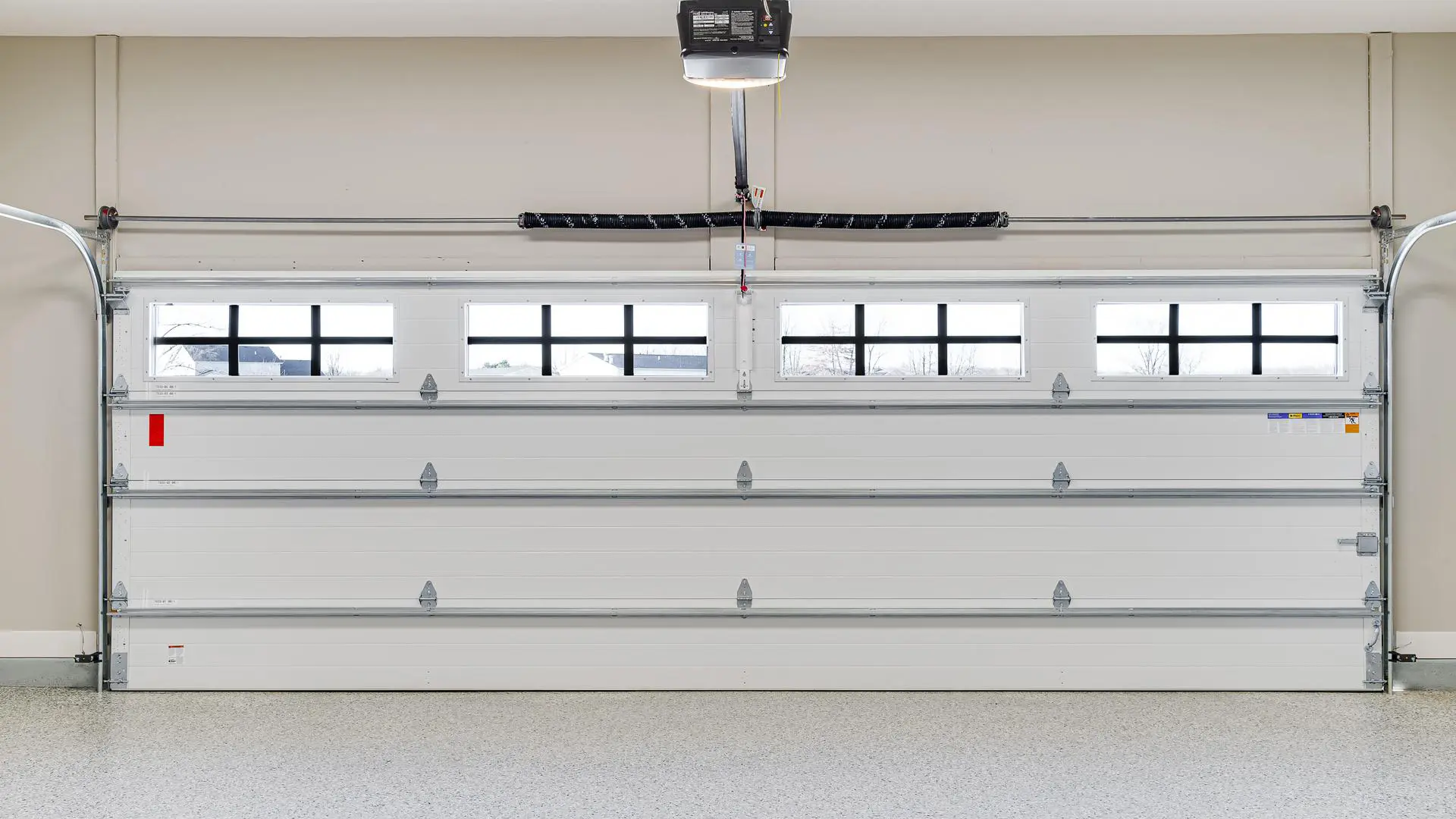
Interior of Canyon Ridge® 5-Layer garage door with Intellicore® insulation
Do Insulated Garage Doors Help Save Energy?
Yes, insulated garage doors can help save energy by reducing heat transfer between your garage and the outdoors. A garage door's construction greatly impacts the energy efficiency of the garage and, by extension, the entire home. Uninsulated or minimally insulated garage doors allow heat to escape in the winter and enter in the summer, forcing HVAC systems to work harder to maintain a comfortable temperature in living areas. This increased energy consumption leads to higher utility bills and contributes to greenhouse gas emissions.
By choosing an energy efficiency garage door, you allow your garage to maintain a more stable temperature, putting less strain on heating and cooling systems in your home. Insulated garage doors feature a thick insulation core sandwiched between two steel skins. This core, typically made of foam, significantly reduces heat transfer between the garage interior and the outdoors.
In the winter, insulated garage doors help retain warmth, decreasing the load on your home's heating system. Conversely, they keep the garage cooler in the summer, reducing the heat that can seep into living spaces. This added temperature control can reduce how much conditioned air is lost through or around the garage door.
How Do Energy-Efficient Garage Doors Work?
Energy-efficient garage doors work by using insulation, durable door layers and tight seals to slow heat transfer and block drafts. These doors are constructed with a layer of insulation sandwiched between the door's outer and inner skins. The type and thickness of the insulation will impact the door's R-value, which measures its resistance to heat flow. A higher R-value indicates greater thermal efficiency.
When considering an energy-efficient garage door, there are several factors homeowners should understand to maximize energy efficiency and overall value:
- R-value matters: First, the door’s R-value measures the insulation's ability to resist heat flow. Look for higher R-values for optimal performance. But even lower R-values can provide some energy savings compared to uninsulated doors.
- Insulation type is important: The type of insulation matters as well. Polystyrene or polyurethane foams are common and offer good results. Some doors may use fiberglass batts, but these can settle over time, reducing effectiveness.
- Seals count: Beyond the door itself, a proper seal is key. Ensure weatherstripping is in good condition to prevent heat from escaping.
- Door materials make a difference: Consider the door's construction material. Steel doors are most common, but aluminum, wood and composite options exist, each with its own benefits and drawbacks.
Together, these features help the door resist heat flow, reduce air leaks and perform more consistently over time. However, the up-front cost is typically higher than uninsulated models. Homeowners should weigh this against expected savings and the door's durability.
What Garage Door Insulation Is Best for Energy Efficiency?
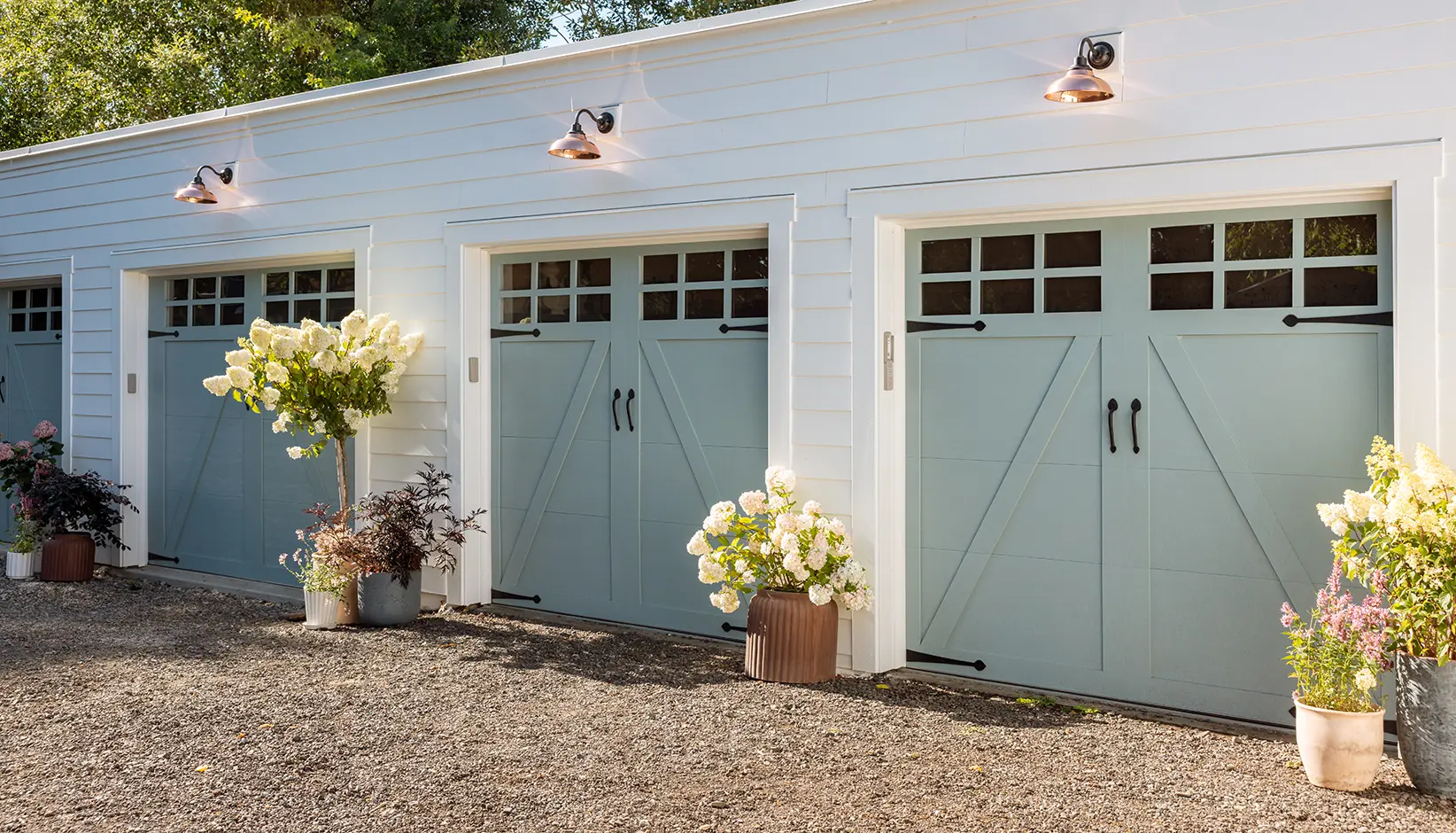
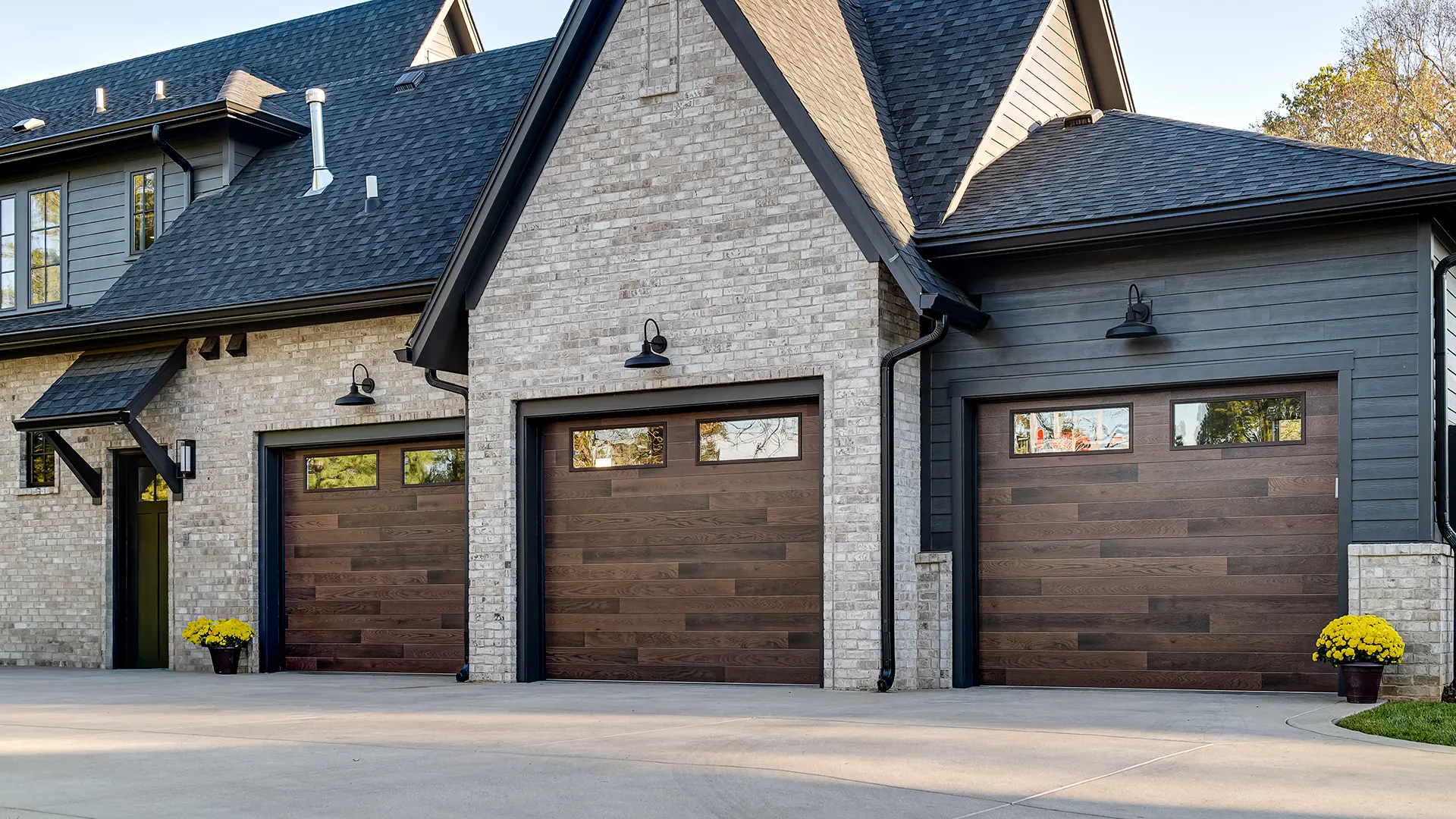
Canyon Ridge® Elements garage door in Design 22 with SQ23 windows in custom color with polystyrene insulation
Polyurethane insulation typically offers the strongest thermal performance, while polystyrene can provide reliable efficiency at a lower cost. Each insulation material option offers varying levels of energy efficiency, durability and cost. Here's a breakdown of common insulation types found in garage doors:
- Polystyrene: Polystyrene insulation offers a good balance between affordability and energy efficiency for garage doors. It’s a cost-effective insulation option that provides a good R-value per dollar spent. It's often the go-to choice for steel garage doors due to its ease of installation and reliable performance.
- Polyurethane: If maximizing energy efficiency is your top priority, polyurethane-insulated garage doors are the best option. It offers the highest R-value per inch of any insulation material, making it ideal for homeowners who want to minimize heat transfer. Polyurethane is typically more expensive than other options, but its superior insulating properties can lead to substantial long-term energy savings.
- Fiberglass: Fiberglass insulation is the most budget-friendly option, but offers the lowest energy efficiency for garage doors. While it's less expensive than polystyrene or polyurethane, its R-value is lower and the insulation can settle over time, which may reduce the insulating performance.
How Do You Measure Garage Door Energy Efficiency?
You can measure garage door energy efficiency by comparing R-value, U-factor and air leakage. When buying a new insulated garage door, it’s important to understand these key metrics and standards when evaluating the energy efficiency of different models. Here's a breakdown of what to look for:
- R-value: A higher R-value means your garage door is better at holding heat and cold, which improves energy efficiency. Homeowners should aim for the highest R-value possible within their budget for maximum energy savings.
- U-factor: The U-factor measures how much heat passes through your door. A lower U-factor means less heat is transferred, leading to better energy efficiency. Look for garage doors with low U-factors for ideal results.
- Air leakage rating: Low air leakage ratings mean your garage door is well-sealed and keeps cold drafts or hot air outside. Look for doors with an air leakage rating from a reputable organization like the International Energy Conservation Code (IECC).
When comparing energy efficiency garage doors, don't be swayed by low prices alone. Take the time to check the metrics. While a more efficient door may be more expensive, the long-term energy savings will make it a worthwhile investment.
What Are the Benefits of Energy-Efficient Garage Doors?
Energy-efficient garage doors can improve comfort, reduce noise, add durability and help lower heating and cooling costs. While the energy-saving potential is a major draw, here are some of the other advantages to consider:
- Improved comfort: Better temperature control can make your garage more usable for hobbies, projects or storage. On frigid winter days, the garage will stay warmer, and in the sweltering summer, it will remain cooler.
- Increased durability: These doors are built with thicker, stronger materials that help them last longer and resist damage. The insulation also adds structural integrity, helping the door resist warping. As a result, an energy-efficient garage door can have a longer lifespan and require less maintenance over the years.
- Better noise reduction: Insulated doors can also reduce noise from operation, traffic and nearby outdoor activity. When the door opens or closes, it will make less racket, reducing disruptions. Additionally, you'll hear less street noise or neighbors' activity, making the garage a quieter space.
- Potential increase in home value: Energy-efficient doors appeal to buyers who want to lower utility bills and reduce their environmental impact. An insulated garage door can be a selling point if you decide to put your home on the market in the future. It signals to potential buyers that your home is equipped with modern, eco-friendly features.
How Can You Maximize the Energy Efficiency of Your Garage Door?
You can improve garage door energy efficiency by choosing an insulated door, sealing gaps, maintaining the door and scheduling professional installation. These steps help reduce gaps, wear and installation issues that can weaken the door’s performance:
- Proper installation: An energy-efficient garage door requires proper installation to block drafts and save energy. It's highly recommended to have a qualified garage door professional handle the installation. They'll ensure the door is level, sealed properly and its components are adjusted correctly for smooth, efficient operation.
- Seal gaps: Even a small gap can let hot or cold air seep into your garage. Regularly inspect the door's perimeter, threshold and any windows for signs of air leaks. Use weatherstripping or spray foam insulation to seal any gaps you find. Don't forget to check the seal between the door and the opener for any signs of wear. A well-sealed door prevents both heat loss and gain, maximizing energy efficiency.
- Regular maintenance: Regular maintenance ensures your garage door keeps performing at its best. Regularly lubricate hinges and rollers to keep the door moving smoothly (we recommend Clopay®’s Pro Lube Synthetic Garage Door Lubricant. DO NOT use WD-40, it’s not a lubricant). Tighten any loose bolts or screws and replace worn-out parts. Also, wash the door to keep it clean and prevent dirt from interfering with its sealing.
By combining a well-insulated garage door with proper installation, sealing and maintenance, you can create a powerful barrier against energy loss.
How Energy-Efficient Are Insulated Garage Doors with Windows?
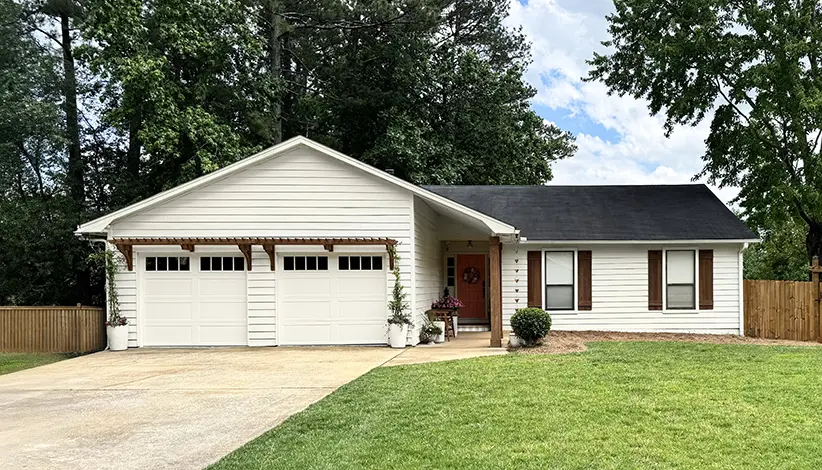
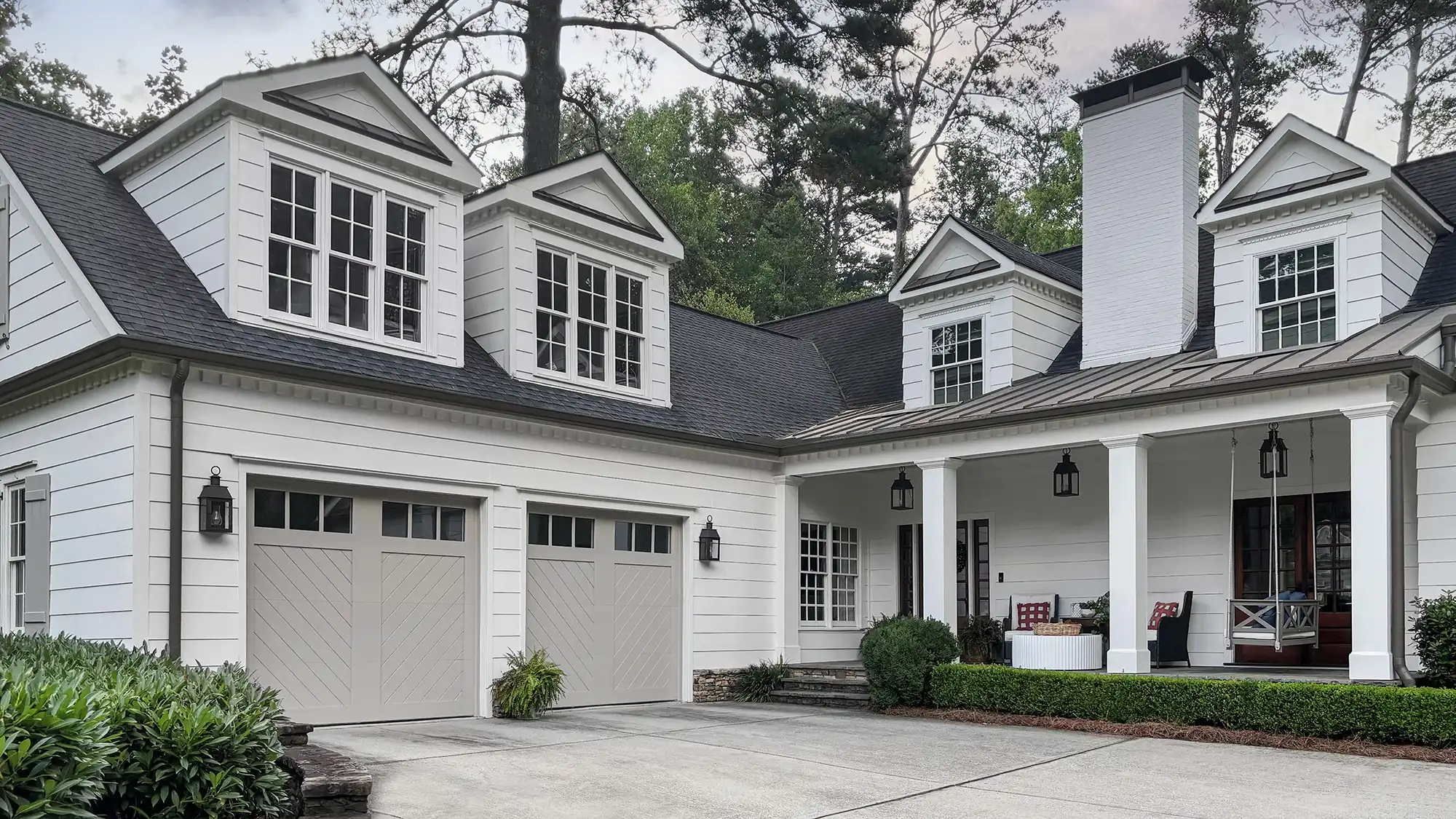
Bridgeport™ Steel garage door with extended panels and REC14 windows in Sherwin Williams Shoji White (SW 7042)
Garage doors with windows can be energy-efficient, but glass usually reduces insulation performance compared to solid insulated panels. Glass is a poor insulator, so heat can escape more easily through windows. For the best energy efficiency, limiting or carefully upgrading the windows is key. Here’s what to consider:
How Do Windows Affect Overall Energy Efficiency?
Glass is not as insulating as the foam used in energy-efficient doors, so any window will lower the door’s R-value. As a result, windows allow for both heat gain during the summer and heat loss in the winter, increasing the load on your home's HVAC system.
Are All Garage Door Windows the Same?
Not all windows are created equal when it comes to energy efficiency. Look for windows with double- or triple-pane glazing, as the additional airspaces provide better insulation. Low-emissivity (low-e) coatings can also help reflect heat rather than absorb it. Insulating spacers between the glass panes further minimize heat transfer.
How Can You Minimize Energy Loss With Windows?
If you still want the natural light windows provide, there are ways to minimize their energy impact. You can use smaller windows to reduce the total area of heat transfer. You can also position the windows higher on the door, which limits the direct sunlight they receive, decreasing heat gain during the summer. You can also apply tinting or install shading devices like overhangs to further block direct sunlight.
Are All-Glass Garage Doors Energy-Efficient?
All-glass garage doors are not as energy-efficient as insulated models, but you can improve their performance by picking thicker, insulated glass and a frame with polyurethane insulation. These modifications can significantly enhance the energy efficiency of your glass garage doors.
The bottom line: Windows on a garage door can enhance its appearance, but their impact on energy efficiency is undeniable. Homeowners should carefully weigh the aesthetic benefits against the decreased energy efficiency.
Browse Our Energy-Efficient Residential Garage Doors with Clopay
The right insulated garage door can improve thermal performance while supporting your home’s comfort, appearance and long-term value. By understanding the different types of insulation, how to assess energy efficiency and the benefits of insulated doors, you can make an informed decision when selecting a new garage door.
Clopay offers a range of energy-efficient doors designed for lasting savings and comfort. Browse our residential garage doors and find a dealer close to you when you’re ready to buy or have any questions. With the right garage door, you’ll save money and enjoy peace of mind for years to come.