Garage Door Spring Systems: A Buying Guide for Homeowners
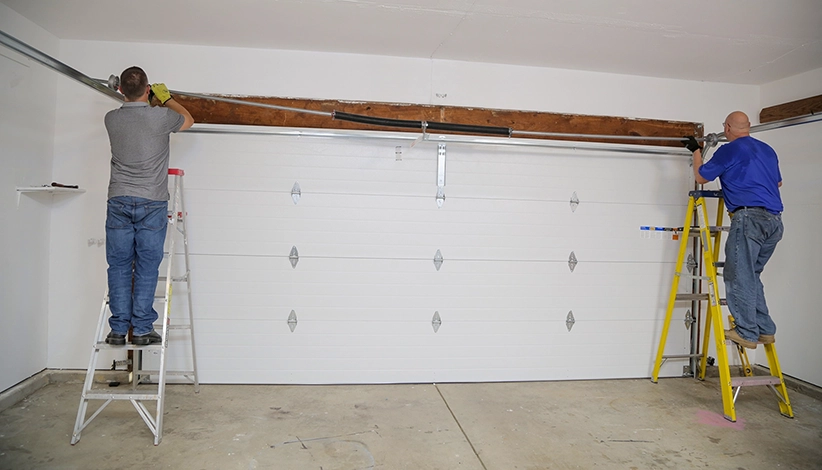
Garage door spring systems are more vital than you think. Every time you hit the remote or lift the door, these springs do the heavy lifting behind the scenes—literally. Most homeowners are surprised to learn that the average garage door opens and closes about 1,500 times each year. This guide will break down the components and choices involved in garage door spring systems, including the differences between torsion springs and extension springs. We want you to feel confident about maintenance and garage door spring replacement if needed. Understanding the options and how each system works can save you time, money, and unnecessary hassle down the road.
When it comes to garage door spring systems, homeowners have two main options: torsion springs and extension springs. These are the backbone of any system, but they work in very different ways and are suited for different setups.
Torsion springs sit above the garage door, mounted on a metal shaft. They use torque to lift the weight of the door, unwinding and winding as the door moves. This design provides smoother, more balanced operation and is often considered the standard for modern, heavier doors. On the other hand, extension springs run parallel to the tracks on either side of the door. These springs stretch and contract to counterbalance the door's weight, making them a common choice for lighter residential doors or garages with limited headroom.
Each type of garage door spring system has its own set of benefits and considerations. The right choice depends on your door’s size, weight, and even the construction of your garage. In the next sections, we’ll look at the unique features of torsion springs and extension springs, so you can better understand which system might be best for your needs.
Extension springs are a popular choice for many homeowners thanks to their straightforward design and budget-friendly nature. These springs work by stretching and contracting as the garage door moves. When the door is closed, the springs are under maximum tension. As the door opens, they release that energy to help lift the door.
One of the biggest advantages of extension springs is their affordability. Compared to torsion springs, they’re typically less expensive and often simpler to install, making them a solid option for those looking to keep costs down. They’re commonly used in lighter, single-car garage doors or in garages where there isn’t enough headroom for a torsion spring system.
Safety is a major consideration when using extension springs. If a spring breaks, it can snap back with significant force. That’s why installing safety cables is essential. These cables run through the center of each spring and are anchored to the wall or ceiling, containing the spring if it fails and helping to prevent injury or damage.
Extension springs also come in various designs, including clipped end, open loop, and double loop types. Clipped end springs tend to last longer, while open loop springs are easier to replace. To choose the right spring, you’ll need to match the spring’s weight capacity and length to your specific garage door. Accurate measurement is important — using the wrong size can affect the door’s balance and operation.
Torsion springs are the go-to choice for many modern garage door spring systems, prized for their strength and long lifespan. These springs are mounted horizontally above the door on a metal shaft. When the door is closed, the springs are wound up, storing energy through torque. As you open the door, the springs unwind, steadily releasing energy to lift the door’s weight. This method delivers smooth, controlled motion, which is why torsion springs are preferred for heavier or high-use doors.
One benefit of torsion springs is their durability. They’re built to last significantly longer than extension springs and offer better balance across the width of the door. This means less wear on the opener and other moving parts, reducing maintenance over time. Another plus: the spring’s position above the door makes it less likely to fly loose if it breaks, adding an extra layer of safety.
There are several types of torsion springs to consider, each with its own use case. Standard torsion springs are common on most residential doors. An early-set (or “center-set”) spring is located in the middle of the torsion shaft and end-set springs are mounted near the ends of the torsion shaft, closer to the cable drums. Some doors may even require a torque-master system or multiple springs for added strength.
Selecting the right torsion spring comes down to accurate measurements. You’ll need to know the door’s weight, height, and track configuration to choose the correct spring size and type. Using the wrong spring can cause performance issues or even damage the door. For step-by-step guidance, be sure to reach out to a local Clopay expert.
A garage door spring system is designed to handle the heavy lifting each time the door moves. Here’s how it works: At the heart of the system are either torsion springs or extension springs, which store and release energy to balance the weight of the door. When the door is closed, the springs are loaded with energy—torsion springs are wound tight, while extension springs are stretched.
Connected to the springs are steel cables that run along the sides of the door. As the door opens, the energy from the springs is transferred through these cables, which pull the door upward. The rollers, attached to the edges of the door, glide smoothly along metal tracks, guiding the door as it moves.
Proper spring tension is key. If the springs are too loose or too tight, the door may become unbalanced. This can lead to jerky movement, extra wear on the opener, or even the door slamming shut. The right balance means you can lift the door with minimal effort, and the opener motor doesn’t have to strain. If you’re unsure about tension or balance, always consult a professional for help and safety tips.
Working with a garage door spring system is not your typical DIY project. Both torsion springs and extension springs are under extreme tension, and even a small mistake can cause serious injury or property damage. Attempting a garage door spring replacement without the right tools or experience can quickly become dangerous.
If you’re set on tackling maintenance yourself, always disconnect the opener first and never loosen or remove any bolts without fully understanding the system’s tension points. Wear safety glasses, gloves, and never work alone. Be sure to have someone nearby as an extra precaution if something goes wrong.
Safety cables are a must-have with extension springs. These cables run through the center of the spring and anchor to the wall or ceiling, catching the spring if it snaps. This simple mechanism can prevent springs from flying across the garage and causing harm. Torsion springs also have built-in safety features, like winding cones and sturdy mounting brackets, but these are best adjusted by professionals.
Ultimately, when it comes to repair or garage door spring replacement, hiring a qualified professional is the safest route. Professional installers know how to handle high-tension springs, ensuring both your door’s functionality and your family’s safety.
Knowing when it’s time for garage door spring replacement can save you from bigger headaches down the road. The most obvious sign is a visible break or gap in the spring itself. If you see that a torsion spring has a separation in the coil, or an extension spring is stretched out or looks damaged, it’s time to act. Springs are designed to last a certain number of cycles, and once they wear out, they simply can’t support the door’s weight.
Another red flag is difficulty opening or closing the door. If your system feels unusually heavy, or if the opener is straining more than usual, the spring may have lost its tension. This can put extra stress on your opener and other components, sometimes leading to early failure.
Uneven movement is also a symptom. If the door looks crooked as it moves or gets stuck partway, one of the springs could be weaker or broken, throwing the whole system off balance. And if you hear loud banging or snapping noises during operation, that’s a strong indicator a spring has let go.
Ignoring these signs can be dangerous. A broken or worn-out spring can suddenly give way, causing the door to slam shut or even fall. It can also put added strain on cables, rollers, and the opener, leading to more costly repairs. If you notice any of these issues, prompt garage door spring replacement is the best way to keep everything running safely.
Keeping your garage door spring system in good shape doesn’t take much time, but it pays off in smoother operation and fewer unexpected repairs. Start with regular lubrication—apply a light garage door lubricant to the torsion springs or extension springs as well as the rollers, hinges, and other moving parts. This helps prevent rust and reduces friction, making everything run more quietly. Make sure to use a lubricant made for garage doors and not something like WD-40, which has its place, but it’s not on your garage door.
Take a few minutes every couple of months for a visual inspection. Look for signs of wear or damage, such as frayed cables, stretched or broken springs, and bent hardware. Catching these issues early can keep a small problem from turning into a major repair. While you’re inspecting, check all bolts and screws and tighten any that have loosened.
Balancing the door is another thing to consider. You can test this by disconnecting the opener and lifting the door halfway by hand. If it stays in place, your garage door spring system is properly balanced; if it falls or shoots up, the springs may need adjustment.
Choosing the right garage door spring system and keeping it well-maintained is key to a safe, reliable garage. Understanding your options and prioritizing safety makes all the difference. If you notice issues or have concerns, don’t hesitate to consult a professional.
Want to learn more about garage doors?